
BPC-157 has emerged as one of the most researched peptides for recovery and regenerative applications, yet understanding its pharmacokinetic properties remains crucial for optimal administration. The bpc 157 half life determines how long this peptide remains active in your system, directly influencing dosing frequency, protocol design, and ultimately, the effectiveness of your therapeutic regimen. As peptide research advances in 2026, new insights continue to refine our understanding of how this synthetic gastric pentadecapeptide behaves within biological systems.
Understanding Half Life in Peptide Science
Half life refers to the time required for the concentration of a substance in the bloodstream to reduce by 50%. This pharmacokinetic parameter dictates everything from dosing schedules to the duration between administrations. For peptides specifically, half life varies dramatically based on molecular structure, administration route, and individual metabolic factors.
The bpc 157 half life presents unique considerations compared to other therapeutic peptides. Unlike long-acting compounds that remain stable for days, BPC-157 exhibits relatively rapid clearance from systemic circulation. This characteristic influences how researchers and practitioners approach protocol design.
Factors Affecting Peptide Stability
Multiple variables impact how long BPC-157 remains bioavailable in your system:
- Administration route (subcutaneous, intramuscular, or oral)
- Dosage concentration and volume
- Individual metabolic rate and enzymatic activity
- Presence of stabilizing agents in formulation
- Storage conditions prior to administration
Each factor contributes to the overall pharmacokinetic profile, making standardized protocols essential for consistent results.
The Current Research on BPC 157 Half Life
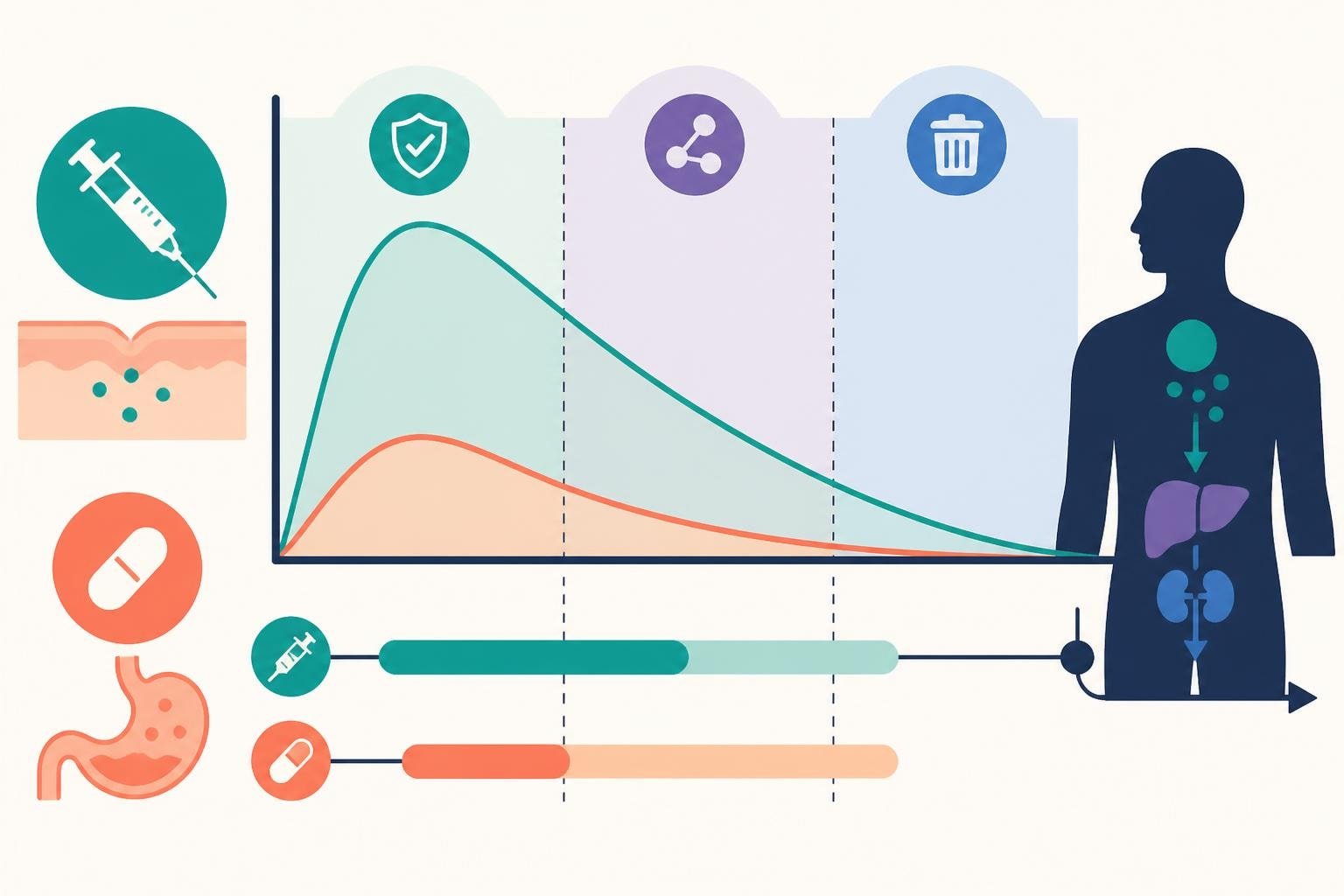
According to detailed pharmacokinetic analyses, the bpc 157 half life is estimated between 4 to 6 hours when administered systemically. This relatively short duration distinguishes it from peptides with extended release characteristics. The rapid elimination necessitates more frequent dosing to maintain therapeutic concentrations.
Research published in 2026 continues to refine these estimates. Recent investigations into BPC-157 stability suggest that administration method significantly affects duration of action. Subcutaneous injections may provide slightly extended bioavailability compared to intravenous administration due to depot formation at injection sites.
Subcutaneous vs Oral Administration
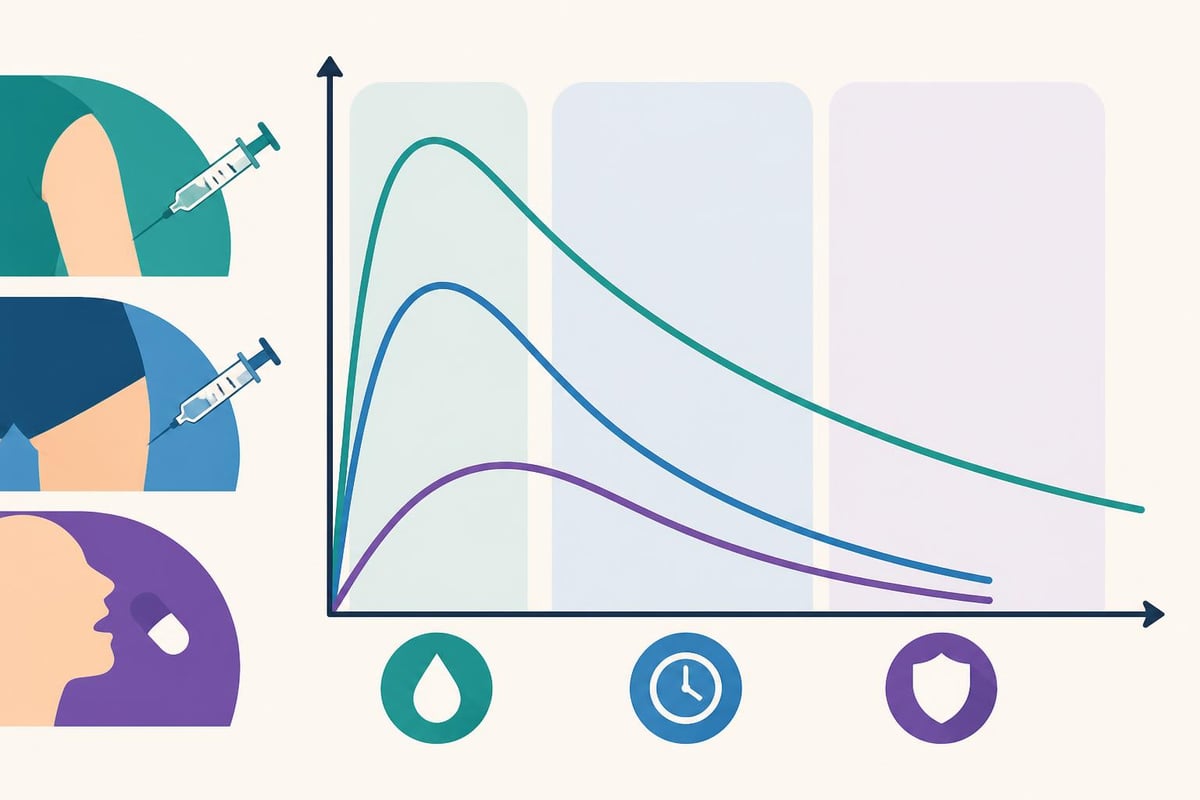
The route of administration fundamentally alters BPC-157 pharmacokinetics. Subcutaneous delivery allows for gradual absorption from injection sites, potentially extending the effective duration beyond the measured serum half life. The peptide creates a localized reservoir that releases gradually into systemic circulation.
Oral administration presents different challenges. Gastric acid and digestive enzymes threaten peptide integrity, yet BPC-157 demonstrates remarkable stability in the gastrointestinal tract. Research on BPC-157 properties indicates that oral bioavailability remains substantial, though the bpc 157 half life may differ from injectable forms.
| Administration Route | Estimated Half Life | Bioavailability | Onset Time |
|---|---|---|---|
| Subcutaneous | 4-6 hours | High (>80%) | 30-60 minutes |
| Intramuscular | 4-6 hours | High (>80%) | 20-45 minutes |
| Oral | 3-5 hours | Moderate (40-60%) | 45-90 minutes |
Practical Implications for Dosing Protocols
Understanding the bpc 157 half life enables informed protocol development. Since therapeutic concentrations decline relatively quickly, many practitioners recommend twice-daily administration to maintain consistent levels. This approach ensures continuous tissue exposure to the peptide’s regenerative properties.
For those using BPC-157 from Pure Peptide, splitting daily doses into morning and evening administrations maximizes stability. A typical 500 mcg daily dose might be divided into two 250 mcg injections separated by 10-12 hours.
Optimizing Timing for Recovery Applications
Recovery protocols benefit from strategic timing aligned with the bpc 157 half life. Consider these evidence-based approaches:
- Morning administration: Supports daytime tissue repair and metabolic processes
- Post-training dosing: Capitalizes on exercise-induced growth factor elevation
- Evening injection: Facilitates overnight recovery during peak growth hormone release
- Pre-sleep timing: Maximizes regenerative processes during deep sleep phases
The rapid clearance rate means timing relative to activities matters significantly. Athletes often coordinate doses with training schedules to ensure peak concentrations during critical recovery windows.
Storage and Stability Considerations
The bpc 157 half life in solution differs markedly from its stability in lyophilized form. Reconstituted peptide maintains potency for approximately 30 days when refrigerated at 2-8°C. Beyond this window, degradation accelerates as peptide bonds hydrolyze.
Proper storage practices preserve peptide integrity:
- Store lyophilized powder at -20°C for extended shelf life
- Refrigerate reconstituted solutions immediately after mixing
- Use bacteriostatic water to prevent bacterial contamination
- Avoid repeated freeze-thaw cycles that damage molecular structure
- Shield vials from direct light exposure
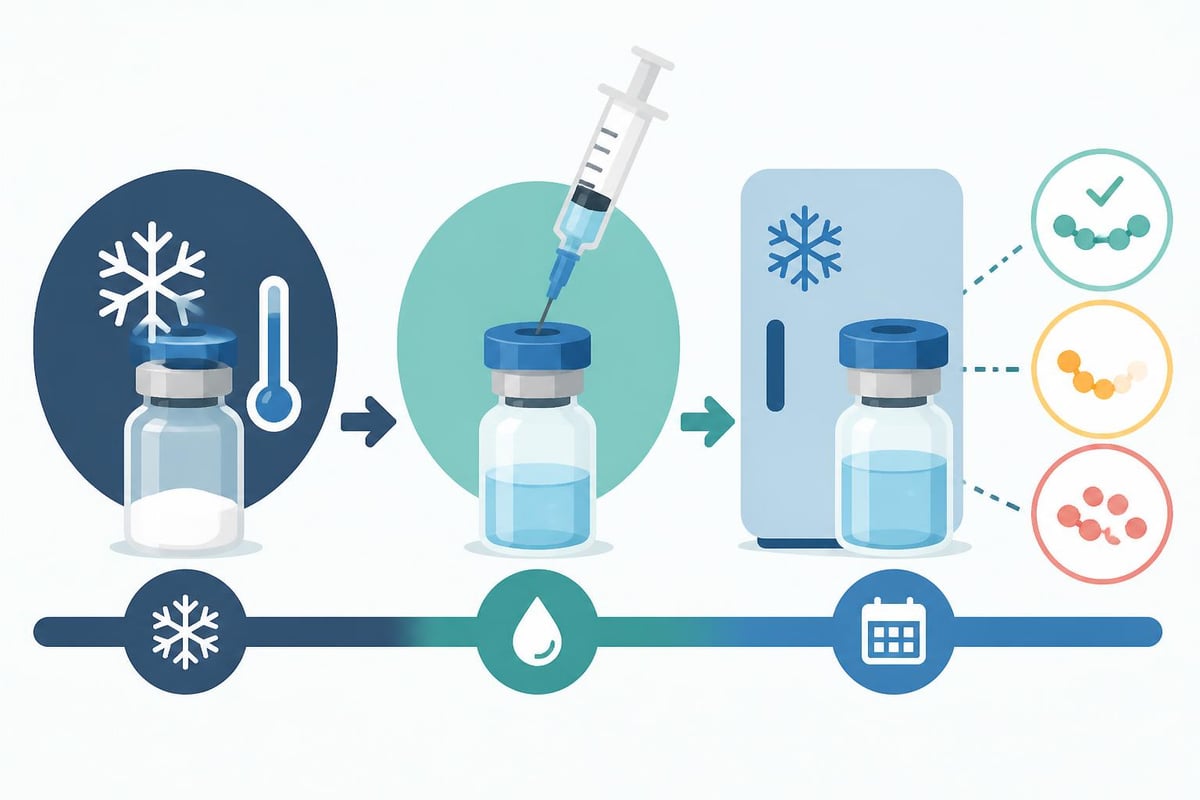
Temperature fluctuations dramatically impact stability. Even brief exposure to room temperature during preparation minimally affects immediate potency, but extended periods compromise efficacy. The molecular structure remains intact under proper conditions, ensuring the pharmacokinetic properties remain consistent throughout the usage period.
Comparing BPC-157 to Other Regenerative Peptides
Context emerges when examining how the bpc 157 half life compares to similar compounds. TB-500, another prominent recovery peptide, exhibits a substantially longer half life of approximately 10 days. This extended duration allows weekly dosing protocols rather than daily administration.
The BPC-157 and TB-500 blend capitalizes on complementary pharmacokinetics. BPC-157 provides rapid, consistent tissue exposure while TB-500 maintains sustained background levels. This combination addresses both immediate and prolonged regenerative needs.
Peptide Half Life Comparison
| Peptide | Half Life | Typical Dosing Frequency | Primary Application |
|---|---|---|---|
| BPC-157 | 4-6 hours | 1-2x daily | Tissue repair, gut health |
| TB-500 | ~10 days | 1-2x weekly | Systemic recovery, flexibility |
| GHK-Cu | 1-2 hours | 2x daily | Skin regeneration, wound healing |
| Ipamorelin | 2 hours | 2-3x daily | Growth hormone release |
Understanding these differences helps design comprehensive recovery stacks. Pure Peptide’s peptide category offers various options that can be strategically combined based on pharmacokinetic profiles.
Metabolic Clearance and Individual Variation
While research provides average estimates, individual bpc 157 half life varies based on metabolic factors. Liver and kidney function significantly influence peptide clearance rates. Those with enhanced metabolic efficiency may clear BPC-157 more rapidly, potentially requiring adjusted dosing.
Body composition also affects distribution volume. Higher muscle mass creates larger distribution volumes, potentially extending apparent half life as peptide disperses throughout tissue. Conversely, lower body weight may concentrate peptide in smaller volumes, accelerating elimination.
Monitoring Response Indicators
Since direct measurement of serum BPC-157 concentrations isn’t practical for most users, response monitoring becomes essential:
- Track subjective recovery markers daily
- Note changes in discomfort levels or mobility
- Document energy patterns throughout dosing intervals
- Assess whether benefits diminish before next dose
- Adjust timing if therapeutic effects fade prematurely
These observational strategies help personalize protocols despite individual pharmacokinetic variations. Detailed dosage protocols provide frameworks that can be refined based on response.
Advanced Protocol Considerations
Experienced peptide users often develop sophisticated approaches that account for the bpc 157 half life. Loading phases featuring higher initial doses aim to rapidly achieve therapeutic tissue concentrations. Once established, maintenance doses preserve these levels despite ongoing clearance.
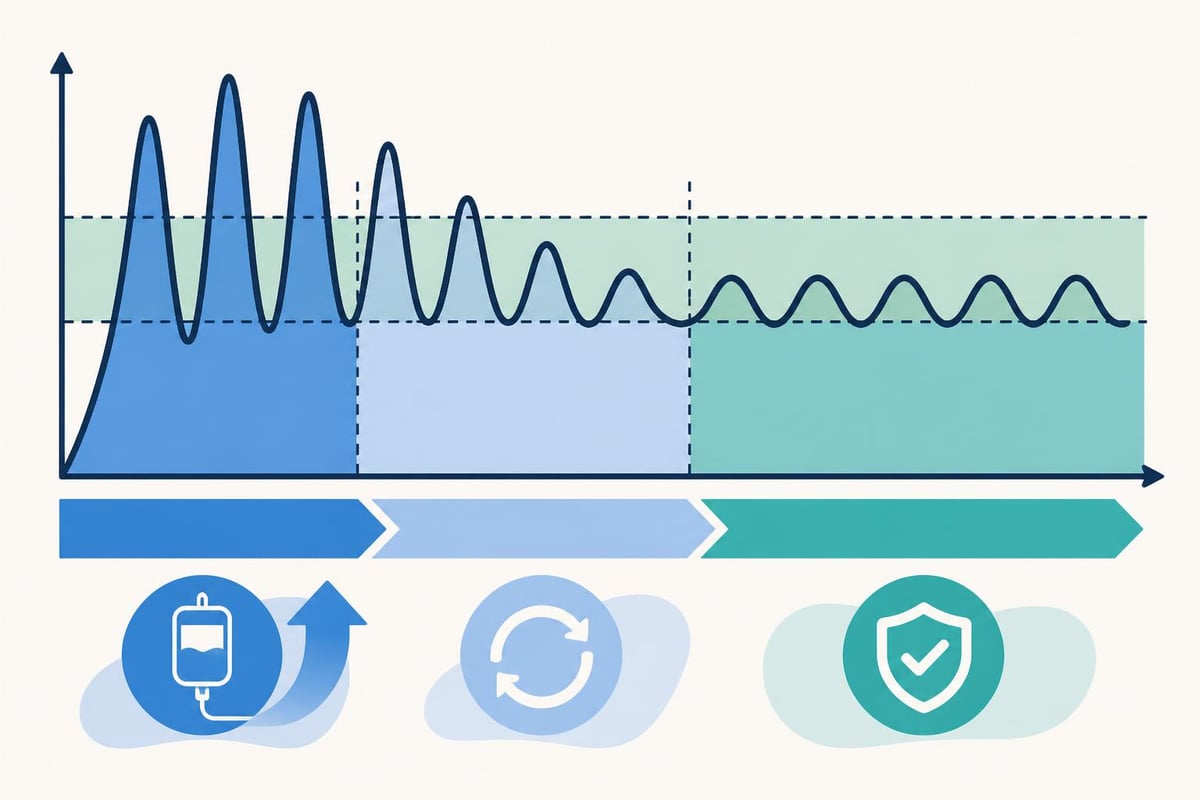
Cycling strategies also incorporate half life knowledge. After extended use periods, brief breaks allow receptor sensitivity restoration. The short bpc 157 half life means clearance occurs within 24-48 hours, making transitions between cycles straightforward.
Combination Therapy Timing
When stacking BPC-157 with other peptides, pharmacokinetic alignment optimizes results. Growth hormone secretagogues like Ipamorelin have similarly short half lives, making coordinated twice-daily dosing practical. Conversely, longer-acting compounds require different scheduling strategies.
The key principle involves maintaining consistent therapeutic concentrations of each component. According to comprehensive analyses, BPC-157’s regenerative effects manifest most powerfully with stable tissue exposure rather than fluctuating peaks and troughs.
Research Applications and Future Directions
Scientific investigation continues refining our understanding of BPC-157 pharmacokinetics. Wikipedia’s overview of BPC-157 notes ongoing research into modified formulations that extend duration of action. Pegylation and other molecular modifications could potentially create extended-release variants with multi-day half lives.
Current research also explores tissue-specific retention. Some evidence suggests BPC-157 may accumulate preferentially in damaged tissues, creating localized concentrations that persist beyond serum half life. This mechanism could explain therapeutic effects that seem disproportionate to measured systemic exposure.
Bioavailability Enhancement Strategies
Researchers investigate methods to maximize effective exposure despite the short bpc 157 half life:
- Cyclodextrin complexation to improve stability and absorption
- Liposomal encapsulation for protected delivery
- Sustained-release formulations using biocompatible polymers
- Transdermal delivery systems for continuous absorption
- Intranasal administration bypassing first-pass metabolism
While most current applications rely on standard subcutaneous or oral delivery, these emerging approaches may eventually extend practical dosing intervals.
Clinical Implications and Safety Margins
The relatively short bpc 157 half life contributes to its favorable safety profile. Rapid clearance means any adverse effects typically resolve quickly upon discontinuation. This characteristic provides reassurance for both researchers and users exploring therapeutic applications.
Accumulation risk remains minimal with standard dosing protocols. Even twice-daily administration at recommended doses doesn’t produce dangerous buildup since each dose substantially clears before the next. This forgiving pharmacokinetic profile differentiates BPC-157 from compounds requiring precise timing to avoid toxicity.
Therapeutic windows remain broad. The difference between effective and excessive doses spans several-fold, providing substantial safety margins. Combined with rapid elimination, this creates a compound that tolerates dosing variations without significant consequences.
Formulation Quality and Pharmacokinetic Consistency
Peptide purity directly impacts pharmacokinetic reliability. Contaminated or degraded formulations exhibit altered absorption, distribution, and elimination patterns. The stated bpc 157 half life assumes pharmaceutical-grade material free from significant impurities.
Pure Peptide’s commitment to quality ensures consistent pharmacokinetic behavior across batches. Advanced purification methods and rigorous testing verify that each vial contains precisely what the label indicates. This quality assurance means dosing calculations based on published half life values remain accurate.
Third-party verification through certificates of analysis confirms both identity and purity. These quality measures distinguish premium peptides from questionable sources that may deliver unpredictable pharmacokinetics despite similar labeling.
Understanding the bpc 157 half life empowers users to design effective protocols that maintain therapeutic concentrations while respecting the peptide’s natural clearance patterns. Whether administering once or twice daily, timing strategies aligned with pharmacokinetic reality optimize regenerative potential. Pure Peptide provides premium-quality BPC-157 and comprehensive peptide solutions backed by rigorous quality standards, enabling you to implement evidence-based protocols with confidence in product consistency and purity.