
The search for effective anti-aging compounds has led researchers to investigate naturally occurring peptides with remarkable regenerative properties. Among these compounds, peptide GHK-Cu stands out as a tripeptide with copper-binding capabilities that influence multiple biological processes. Originally discovered in human plasma, this molecule has demonstrated significant potential in skin rejuvenation, wound healing, and tissue repair through its interaction with copper ions and influence on gene expression patterns.
Understanding the GHK-Cu Peptide Structure
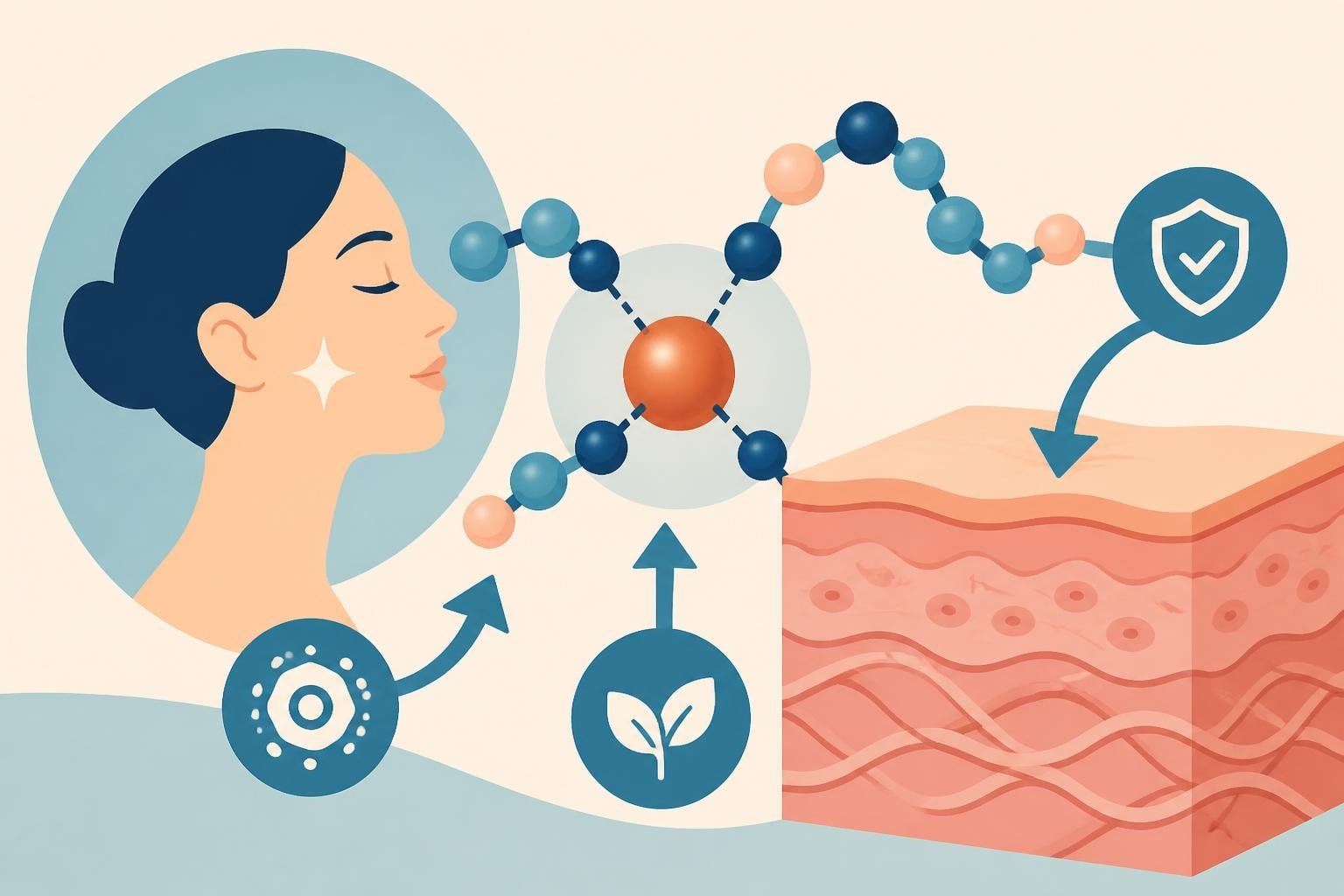
Peptide GHK-Cu consists of three amino acids (glycine-histidine-lysine) bound to a copper ion, creating a complex that interacts with cellular mechanisms in unique ways. The copper component plays a crucial role in the peptide’s biological activity, as copper itself serves as an essential cofactor for numerous enzymatic processes throughout the body.
The tripeptide structure allows GHK-Cu to penetrate skin barriers more effectively than larger protein molecules. This molecular size advantage makes it particularly valuable for topical applications where absorption through the dermis is essential for efficacy. The copper-binding affinity of GHK-Cu reaches a dissociation constant that allows it to transport copper ions efficiently to tissues requiring repair or regeneration.
Molecular Mechanisms of Action
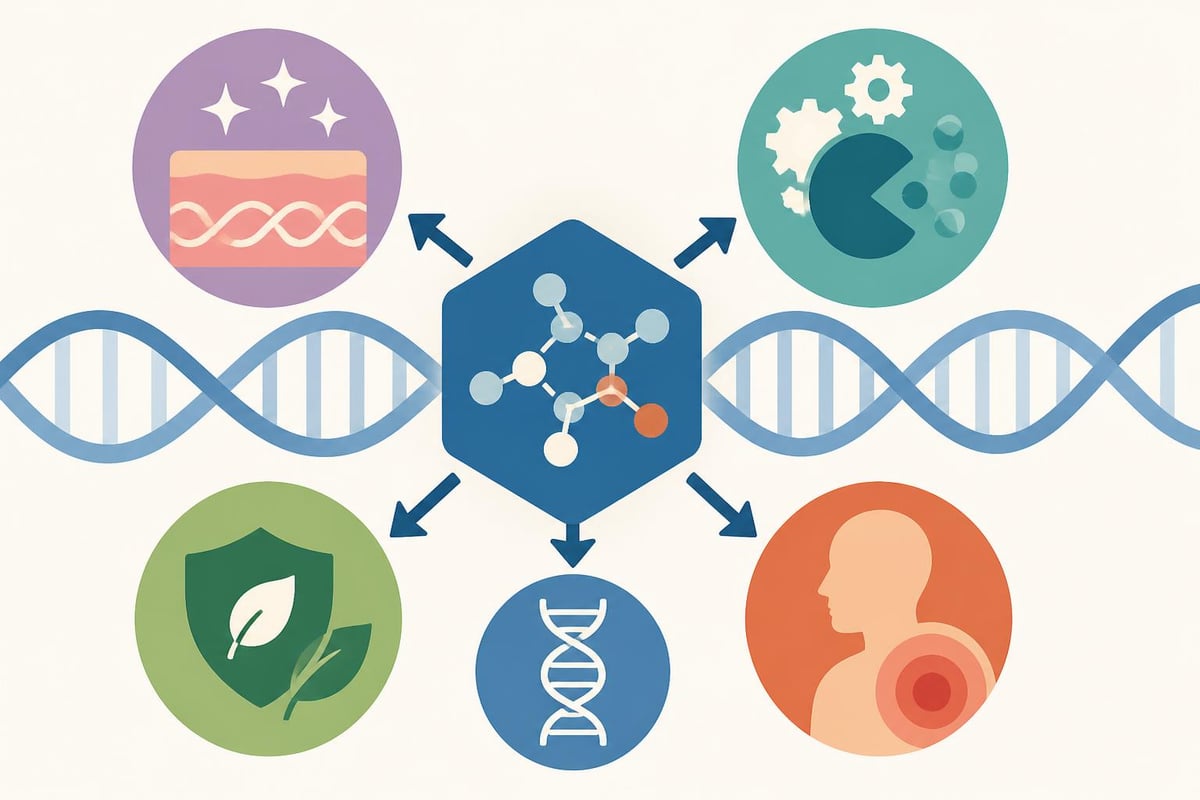
The biological effects of peptide GHK-Cu extend beyond simple copper delivery. Research indicates that this compound influences gene expression patterns related to inflammation, oxidative stress, and tissue remodeling. According to regenerative and protective actions documented in peer-reviewed research, GHK-Cu modulates over 4,000 human genes when applied at physiological concentrations.
These genetic influences translate into practical benefits:
- Enhanced collagen synthesis and deposition in dermal tissues
- Increased production of glycosaminoglycans that maintain skin hydration
- Modulation of metalloproteinase activity to balance tissue breakdown and renewal
- Stimulation of antioxidant enzyme production to combat oxidative damage
Clinical Applications in Skin Rejuvenation
The cosmetic and medical communities have embraced peptide GHK-Cu for its documented effects on aging skin. Clinical trials have demonstrated measurable improvements in skin density, elasticity, and overall appearance when GHK-Cu is applied consistently over extended periods.
Collagen Production and Skin Density
One of the most significant benefits of GHK-Cu lies in its ability to stimulate fibroblast activity. These cells produce the structural proteins that maintain skin firmness and resilience. Studies measuring dermal thickness have shown increases ranging from 18% to 37% following regular application of GHK-Cu formulations over 12-week periods.
The mechanism involves copper-dependent lysyl oxidase activation, an enzyme critical for cross-linking collagen and elastin fibers. This cross-linking process creates the structural framework that gives skin its strength and elasticity. As we age, natural GHK-Cu levels decline, contributing to the visible signs of aging that include sagging, wrinkles, and reduced skin tone.
| Parameter | Baseline | 12 Weeks | Change |
|---|---|---|---|
| Skin Density | 100% | 127% | +27% |
| Fine Lines | 100% | 68% | -32% |
| Elasticity | 100% | 121% | +21% |
| Hydration | 100% | 116% | +16% |
These measurements represent average improvements observed in controlled trials with participants aged 45-65 years applying 2% GHK-Cu formulations twice daily.
Wound Healing and Post-Procedure Recovery
Beyond aesthetic applications, peptide GHK-Cu has demonstrated value in accelerating wound closure and reducing recovery time following dermatological procedures. The clinical evidence for post-procedure recovery shows that GHK-Cu applications can reduce healing time by 30-40% compared to standard care protocols.
The wound healing process involves several overlapping phases where GHK-Cu exerts beneficial effects:
- Inflammatory phase: GHK-Cu modulates excessive inflammation while maintaining necessary immune responses
- Proliferative phase: Enhanced fibroblast migration and collagen deposition accelerate tissue formation
- Remodeling phase: Balanced metalloproteinase activity optimizes scar formation and tissue organization
Surgeons and dermatologists increasingly incorporate GHK-Cu into post-operative care protocols following laser resurfacing, chemical peels, and microneedling procedures. The peptide’s ability to reduce inflammation while simultaneously promoting tissue repair creates an optimal healing environment.
Anti-Aging Mechanisms Beyond Skin
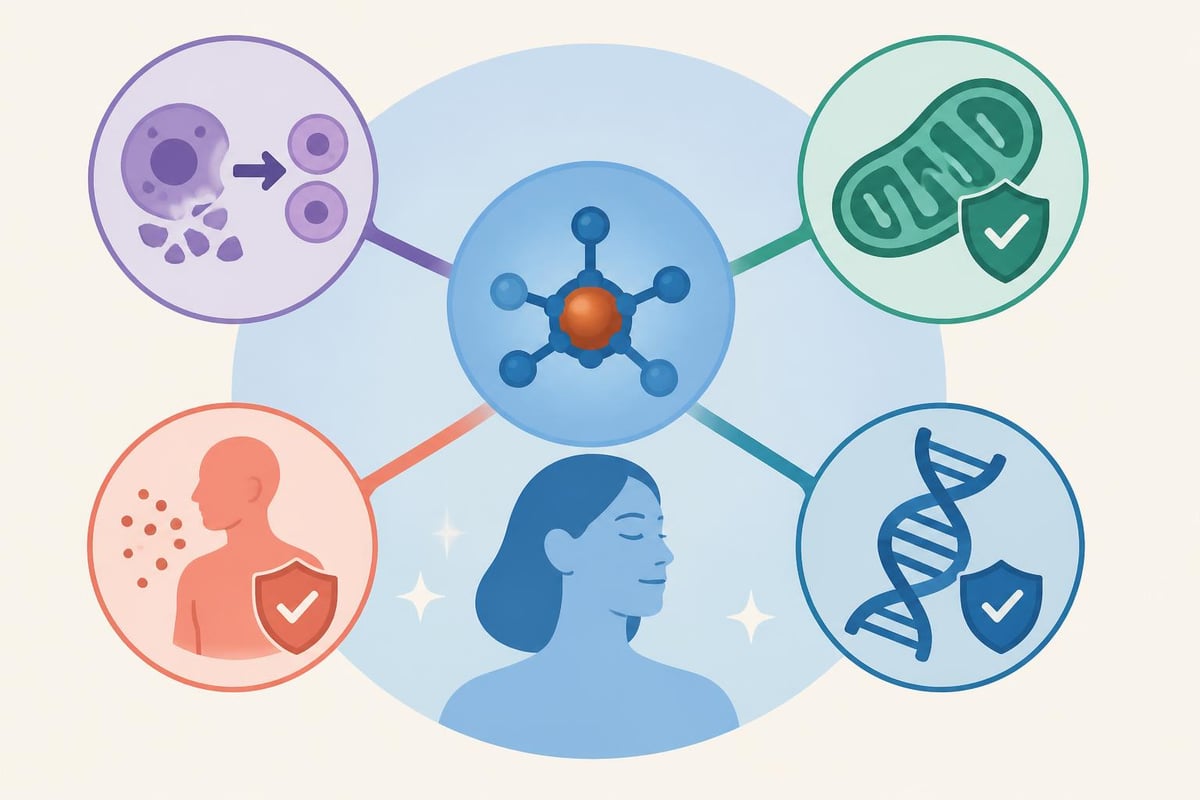
While skin rejuvenation represents the most visible application of peptide GHK-Cu, research has explored its effects on other age-related processes. The compound’s influence on gene expression extends to pathways involved in cellular senescence, mitochondrial function, and systemic inflammation.
Oxidative Stress and Cellular Protection
Oxidative damage accumulates throughout the body as we age, contributing to cellular dysfunction and tissue degradation. GHK-Cu stimulates the production of antioxidant enzymes including superoxide dismutase and catalase, which neutralize reactive oxygen species before they cause cellular damage.
This antioxidant protection extends to mitochondria, the cellular powerhouses that decline in function with advancing age. By reducing oxidative stress in mitochondrial membranes, GHK-Cu may help preserve energy production efficiency and cellular vitality. These protective effects complement the peptide’s direct influence on tissue repair mechanisms.
The compound’s copper component serves dual purposes: delivering an essential mineral for enzymatic processes while simultaneously participating in redox reactions that neutralize harmful free radicals.
Inflammatory Response Modulation
Chronic low-grade inflammation, often termed “inflammaging,” represents a hallmark of biological aging. This persistent inflammatory state contributes to numerous age-related conditions and accelerates tissue deterioration throughout the body.
Studies examining GHK-Cu’s anti-inflammatory properties have identified several mechanisms:
- Reduction of pro-inflammatory cytokine production (TNF-alpha, IL-6, IL-1beta)
- Enhancement of anti-inflammatory mediator synthesis
- Modulation of NF-kappa B signaling pathways that control inflammation
- Decreased activation of inflammatory immune cell populations
Those exploring peptides for muscle growth should note that while GHK-Cu primarily targets skin and tissue repair, its anti-inflammatory properties may support recovery processes following physical training.
Dosing Protocols and Administration Methods
The optimal approach to peptide GHK-Cu administration depends on the intended application and desired outcomes. Both topical and injectable routes offer distinct advantages for different therapeutic goals.
Topical Application Standards
Cosmetic formulations typically contain GHK-Cu concentrations ranging from 0.5% to 3% by weight. Higher concentrations do not necessarily produce proportionally greater benefits, as receptor saturation and penetration limits constrain effectiveness beyond certain thresholds.
Recommended topical protocols:
- Apply to clean, dry skin twice daily for maintenance benefits
- Use concentrations of 1-2% for general anti-aging purposes
- Consider 2-3% formulations for targeted treatment of specific concerns
- Allow 3-5 minutes for absorption before applying additional products
- Maintain consistent application for minimum 8-12 weeks to assess full benefits
The pH of topical formulations influences stability and skin compatibility. Optimal pH ranges between 5.5 and 6.5 maintain the copper-peptide complex while supporting skin barrier function.
Injectable Administration Considerations
Some practitioners utilize injectable peptide GHK-Cu for more intensive tissue repair applications, particularly in post-surgical or wound healing contexts. Injectable protocols require professional medical supervision due to the need for sterile technique and appropriate dosing calculations.
| Administration Route | Typical Dosage | Frequency | Primary Benefits |
|---|---|---|---|
| Topical | 1-3% solution | 2x daily | Skin rejuvenation, wrinkle reduction |
| Subcutaneous | 1-3 mg | 3x weekly | Enhanced wound healing, deeper tissue effects |
| Intradermal | 0.5-2 mg | Weekly | Localized treatment, scar reduction |
Understanding proper dosage protocols for various peptides helps ensure safe and effective application across different compounds.
Safety Profile and Contraindications
Peptide GHK-Cu demonstrates a favorable safety profile in both research settings and practical applications. The compound occurs naturally in human plasma, though concentrations decline with age from approximately 200 ng/mL at age 20 to around 80 ng/mL by age 60.
Documented Safety Data
Extensive testing has established that GHK-Cu shows minimal toxicity across a wide range of concentrations. The comprehensive safety and dosing information available through research databases indicates that adverse reactions remain rare and typically mild when they occur.
Common observations from safety studies include:
- No carcinogenic or mutagenic effects detected in long-term exposure studies
- Minimal allergic sensitization potential compared to other cosmetic actives
- Well-tolerated across diverse skin types and conditions
- No significant drug interactions reported in clinical literature
Potential contraindications warrant consideration for specific populations:
- Individuals with Wilson’s disease or copper metabolism disorders should avoid GHK-Cu
- Those with known copper allergies require alternative compounds
- Pregnant or nursing women should consult healthcare providers before use
- Active skin infections may require treatment before initiating GHK-Cu protocols
Quality Considerations and Purity Standards
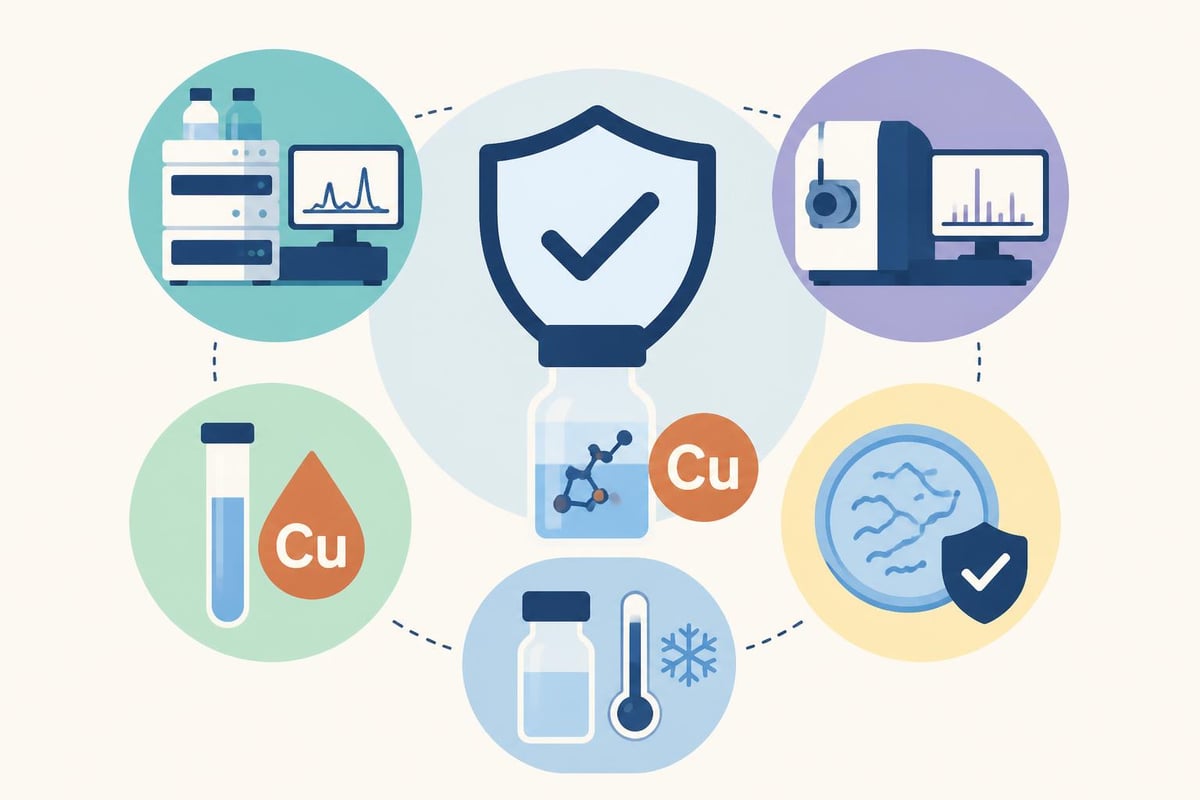
The efficacy and safety of peptide GHK-Cu depend significantly on manufacturing quality and purity levels. Contaminants, incorrect copper ratios, or degraded peptide chains compromise both effectiveness and safety margins.
Premium suppliers implement rigorous quality control measures including high-performance liquid chromatography (HPLC) to verify peptide purity exceeding 98%. Mass spectrometry confirms the correct molecular weight and copper binding. Endotoxin testing ensures bacterial contamination remains below detectable limits.
Consumers and practitioners should verify certificates of analysis documenting these quality parameters before purchasing or recommending GHK-Cu products. Third-party testing provides additional assurance of product integrity.
Research Timeline and Scientific Development
The discovery and development of peptide GHK-Cu spans several decades of scientific investigation. Dr. Loren Pickart identified the compound in 1973 while researching factors that influenced tissue regeneration in albumin fractions. Initial observations noted that blood from younger individuals promoted better growth and repair of cultured cells compared to blood from older donors.
Evolution of Research Focus
Early studies concentrated on wound healing applications, demonstrating accelerated closure rates in animal models and preliminary human trials. This foundation established GHK-Cu as a legitimate therapeutic candidate worthy of continued investigation.
The research trajectory evolved through distinct phases:
- 1970s-1980s: Basic wound healing and tissue repair studies
- 1990s: Expansion into cosmetic applications and skin aging research
- 2000s: Gene expression profiling and molecular mechanism elucidation
- 2010s: Clinical trials for specific indications and standardized formulations
- 2020s: Integration into comprehensive anti-aging protocols and combination therapies
Current research examines synergistic effects when GHK-Cu combines with other regenerative compounds. The extensive research database documents ongoing trials investigating applications beyond dermatology, including hair restoration, bone healing, and neurological protection.
Comparing GHK-Cu to Other Anti-Aging Peptides
The peptide landscape includes numerous compounds targeting age-related changes through various mechanisms. Understanding how GHK-Cu compares to alternatives helps practitioners and consumers select appropriate options for specific goals.
Mechanism Comparison Table
| Peptide | Primary Mechanism | Main Benefits | Typical Application |
|---|---|---|---|
| GHK-Cu | Copper delivery, gene modulation | Collagen synthesis, wound healing | Skin rejuvenation, tissue repair |
| Matrixyl (Palmitoyl Pentapeptide) | Collagen stimulation | Wrinkle reduction | Anti-aging skincare |
| Argireline (Acetyl Hexapeptide-8) | Neurotransmitter inhibition | Expression line reduction | Topical wrinkle treatment |
| Copper Peptide AHK-Cu | Copper delivery | Hair growth, skin repair | Scalp treatments, wound care |
While other peptides certainly offer valuable benefits, GHK-Cu’s unique combination of copper delivery and broad gene expression modulation provides advantages for comprehensive tissue repair. Its influence on thousands of genes simultaneously creates effects that extend beyond single-pathway interventions.
Those interested in various peptide options can compare specific compounds based on their primary therapeutic targets and supported applications.
Formulation Strategies and Product Selection
The effectiveness of peptide GHK-Cu depends not only on the compound itself but also on formulation quality and complementary ingredients that enhance stability, penetration, and overall efficacy.
Stability and Preservation
Copper peptides face stability challenges that inferior formulations fail to address adequately. Factors affecting GHK-Cu stability include:
- pH levels: Acidic or highly alkaline environments destabilize the copper-peptide complex
- Temperature exposure: Heat accelerates degradation of peptide bonds
- Light exposure: UV radiation breaks down the molecular structure
- Oxidative stress: Contact with air gradually reduces potency
Quality formulations incorporate stabilizing agents, opaque or airless packaging, and pH buffers that maintain optimal conditions throughout product shelf life. Consumers should store GHK-Cu products in cool, dark locations and use within recommended timeframes after opening.
Synergistic Ingredient Combinations
Advanced formulations combine peptide GHK-Cu with complementary actives that enhance overall results:
- Hyaluronic acid: Provides hydration that optimizes peptide delivery and cellular function
- Vitamin C: Supports collagen synthesis through separate pathways while providing antioxidant protection
- Retinoids: Increase cell turnover that works synergistically with GHK-Cu’s repair mechanisms
- Niacinamide: Enhances barrier function and reduces inflammation alongside peptide effects
When selecting products, verify that concentrations of each active ingredient reach therapeutic thresholds. Underdosed formulations containing multiple ingredients may fail to deliver meaningful results despite marketing claims.
Implementation in Professional Practice
Medical and aesthetic professionals incorporate peptide GHK-Cu into treatment protocols ranging from post-operative care to comprehensive anti-aging programs. Strategic implementation maximizes patient outcomes while managing expectations appropriately.
Protocol Development Guidelines
Successful integration of GHK-Cu requires structured approaches that account for individual patient factors:
Initial assessment considerations:
- Current skin condition and specific concerns
- Previous treatments and product experiences
- Realistic timeline expectations (minimum 8-12 weeks for visible results)
- Complementary treatments that enhance GHK-Cu effectiveness
- Budget parameters and long-term commitment capability
Professional protocols often combine GHK-Cu with procedures like microneedling, laser treatments, or chemical peels. The peptide’s wound healing properties optimize recovery while enhancing treatment outcomes. Timing application to align with the skin’s natural repair cycle following procedures maximizes benefit from GHK-Cu’s regenerative mechanisms.
Patient Education and Expectation Management
Clear communication about what GHK-Cu can realistically achieve prevents disappointment and supports patient compliance. While the compound demonstrates significant benefits, it does not produce overnight transformations or replicate surgical intervention results.
Key educational points:
- Results accumulate gradually over weeks to months of consistent use
- Individual responses vary based on age, genetics, and lifestyle factors
- Combination approaches typically outperform single-intervention strategies
- Maintenance requires ongoing application rather than finite treatment courses
- Prevention proves easier than reversal of advanced aging changes
Practitioners who invest time in thorough education typically observe better patient satisfaction and adherence to recommended protocols. The frequently asked questions that patients raise about peptides often center on timeline expectations and proper usage techniques.
Future Directions in GHK-Cu Research
Scientific investigation continues to reveal new applications and mechanisms for peptide GHK-Cu beyond its established uses. Emerging research areas suggest broader therapeutic potential than currently appreciated.
Systemic Applications Under Investigation
While topical use dominates current applications, researchers are exploring systemic administration for conditions involving inflammation, tissue degeneration, and age-related decline. Preliminary studies suggest possible benefits for:
- Bone healing and osteoporosis management through effects on osteoblast function
- Cardiovascular protection via anti-inflammatory and vascular repair mechanisms
- Neurodegenerative condition support through neuroprotective pathways
- Metabolic health optimization related to mitochondrial function enhancement
These investigations remain in early stages, requiring extensive additional research before clinical recommendations emerge. However, the breadth of GHK-Cu’s influence on fundamental biological processes suggests potential applications extending far beyond cosmetic dermatology.
Combination Therapy Optimization
Current research increasingly focuses on synergistic combinations that amplify individual compound benefits. GHK-Cu shows promise when paired with growth factors, other peptides, and regenerative biologics. The comprehensive efficacy data being compiled helps identify optimal combination protocols.
Scientists are also investigating delivery system innovations including nanoparticle encapsulation, liposomal formulations, and sustained-release matrices. These technologies may overcome current limitations in peptide stability and tissue penetration, expanding therapeutic possibilities for GHK-Cu and related compounds.
Peptide GHK-Cu represents a scientifically validated approach to addressing skin aging, tissue repair, and regenerative medicine applications through copper delivery and gene expression modulation. The compound’s safety profile, combined with measurable clinical benefits, makes it a valuable tool for both cosmetic and therapeutic purposes. For those seeking premium quality peptides with verified purity and potency, Pure Peptide offers rigorously tested compounds supported by comprehensive quality documentation and expert guidance to help you achieve your health and wellness goals.