

Weight loss strategies have evolved significantly over recent years, with peptide therapy emerging as one of the most scientifically-backed approaches for sustainable fat reduction. These short chains of amino acids work by targeting specific metabolic pathways, offering precision that traditional methods often lack. Understanding which peptides deliver the most effective results requires examining both clinical evidence and real-world applications across various weight loss scenarios.
Understanding How Peptides Support Weight Loss
Peptides function as signaling molecules that communicate with receptors throughout the body to regulate appetite, metabolism, and fat storage. Unlike generic weight loss supplements, these compounds target specific hormonal pathways that directly influence body composition.
The mechanism behind peptide-assisted weight loss involves multiple physiological processes working in concert. Some peptides mimic natural hormones like GLP-1 (glucagon-like peptide-1), which slows gastric emptying and reduces hunger signals to the brain. Others stimulate growth hormone production, which enhances lipolysis-the breakdown of stored fat into usable energy.
The Science Behind Peptide Mechanisms
Different peptide categories operate through distinct biological pathways:
- GLP-1 receptor agonists bind to incretin receptors, improving insulin sensitivity and reducing appetite
- Growth hormone secretagogues stimulate pituitary gland activity, increasing metabolic rate
- Metabolic modulators enhance mitochondrial function and cellular energy expenditure
- Appetite suppressants directly influence satiety centers in the hypothalamus
Research indicates that peptides aid in weight loss through multiple mechanisms, including blood sugar regulation and metabolic enhancement. The multi-targeted approach explains why peptide therapy often produces superior results compared to single-pathway interventions.

FDA-Approved Peptides Leading the Weight Loss Market
The best peptides for weight loss currently available with FDA approval have undergone rigorous clinical trials demonstrating both safety and efficacy. These compounds represent the gold standard for peptide-based weight management.
Semaglutide: The GLP-1 Pioneer
Semaglutide has revolutionized medical weight loss since receiving FDA approval for obesity treatment. Clinical trials showed participants losing an average of 15-20% of their initial body weight over 68 weeks-results that surpass most pharmaceutical interventions.
This peptide works by mimicking the natural GLP-1 hormone, which regulates both insulin secretion and appetite. The compound features a modified structure that extends its half-life to approximately one week, allowing for convenient once-weekly administration. Semaglutide has become the benchmark against which other weight loss peptides are measured.
| Peptide | Average Weight Loss | Administration | Half-Life | FDA Status |
|---|---|---|---|---|
| Semaglutide | 15-20% | Weekly | 7 days | Approved |
| Tirzepatide | 20-25% | Weekly | 5 days | Approved |
| Liraglutide | 8-12% | Daily | 13 hours | Approved |
Tirzepatide: Dual-Receptor Innovation
Tirzepatide represents the next evolution in peptide therapy, targeting both GLP-1 and GIP (glucose-dependent insulinotropic polypeptide) receptors simultaneously. This dual-action mechanism produces even more substantial weight loss than single-receptor agonists.
The SURMOUNT clinical trial program demonstrated that participants achieved up to 22.5% body weight reduction at the highest dose. Beyond weight loss, tirzepatide significantly improved cardiovascular risk markers, including blood pressure, triglycerides, and inflammatory markers. The synergistic effect of activating two complementary pathways creates a more comprehensive metabolic response.
Research-Grade Peptides Showing Promise
Several peptides currently in research stages demonstrate compelling evidence for weight loss applications. While not yet FDA-approved for obesity treatment, these compounds offer unique mechanisms that may benefit specific populations.
Growth Hormone Secretagogues
Peptides that stimulate natural growth hormone production indirectly support fat loss by enhancing lipolysis and preserving lean muscle mass during caloric restriction.
Ipamorelin stands out among growth hormone releasing peptides for its selectivity and minimal side effects. Unlike earlier generation compounds, it specifically targets growth hormone release without significantly affecting cortisol or prolactin levels. The Ipamorelin peptide promotes fat oxidation while supporting muscle retention-a critical combination during weight loss phases.
Tesamorelin specifically targets visceral adipose tissue, the dangerous fat surrounding internal organs. Originally approved for HIV-related lipodystrophy, research shows its potential for reducing abdominal fat in broader populations. Studies demonstrate 15-20% reductions in visceral adipose tissue after six months of treatment. Tesamorelin works by stimulating growth hormone-releasing hormone receptors with high specificity.
Next-Generation Triple Agonists
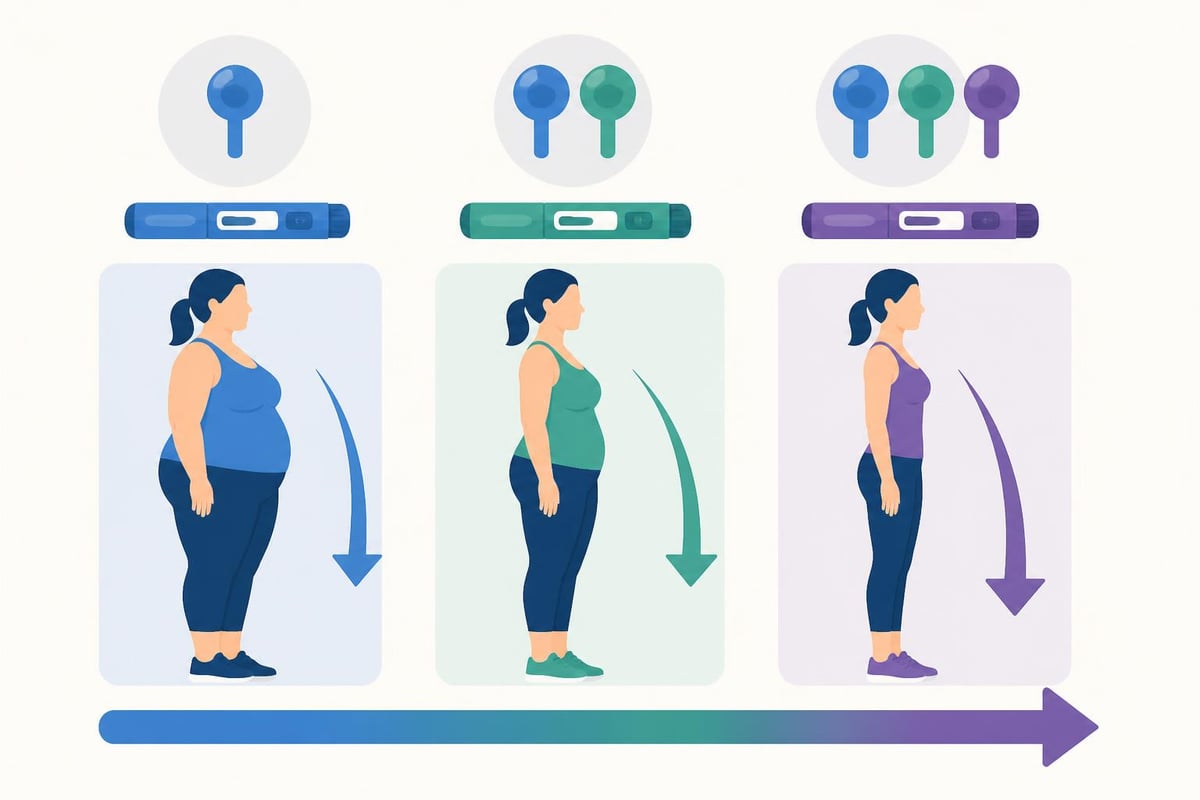
The cutting edge of peptide research focuses on compounds activating three receptor types simultaneously. Retatrutide targets GLP-1, GIP, and glucagon receptors, creating a comprehensive metabolic shift that addresses multiple aspects of weight regulation.
Early phase 2 trials showed participants losing up to 24% of body weight over 48 weeks-the highest reduction seen in any peptide trial to date. The glucagon receptor activation enhances energy expenditure and fat oxidation, complementing the appetite suppression from GLP-1/GIP activity. Retatrutide represents where peptide therapy is heading in 2026 and beyond.
Peptide Stacking Strategies for Enhanced Results
Combining complementary peptides creates synergistic effects that can accelerate fat loss while addressing multiple metabolic targets. Strategic stacking requires understanding how different mechanisms interact.
Common Effective Combinations
Advanced protocols often pair GLP-1 agonists with growth hormone secretagogues to target both appetite control and metabolic enhancement. This dual-pronged approach addresses weight loss from different physiological angles.
Popular stacks include:
- Semaglutide + Ipamorelin: Combines appetite suppression with enhanced fat oxidation and muscle preservation
- Tirzepatide + Tesamorelin: Targets both subcutaneous and visceral fat through complementary pathways
- GLP-1 agonist + BPC-157: Supports metabolic function while protecting gut health during dietary changes
Effective peptide combinations demonstrate that strategic stacking can produce superior results compared to single-peptide protocols. However, combining peptides requires careful dosing and medical supervision to avoid adverse interactions.
Timing and Administration Protocols
The best peptides for weight loss deliver optimal results when administered according to specific timing protocols. GLP-1 agonists typically work best when injected at consistent weekly intervals, maintaining stable blood levels throughout the treatment period.
Growth hormone secretagogues show enhanced effectiveness when administered before sleep, capitalizing on the body’s natural nighttime growth hormone pulse. Splitting doses throughout the day can maintain more consistent metabolic stimulation, though this approach requires more frequent injections.
Selecting the Right Peptide for Your Goals
Choosing among the best peptides for weight loss depends on individual metabolic profiles, weight loss targets, and tolerance for administration frequency. Not all peptides suit every situation equally well.
Factors Influencing Peptide Selection
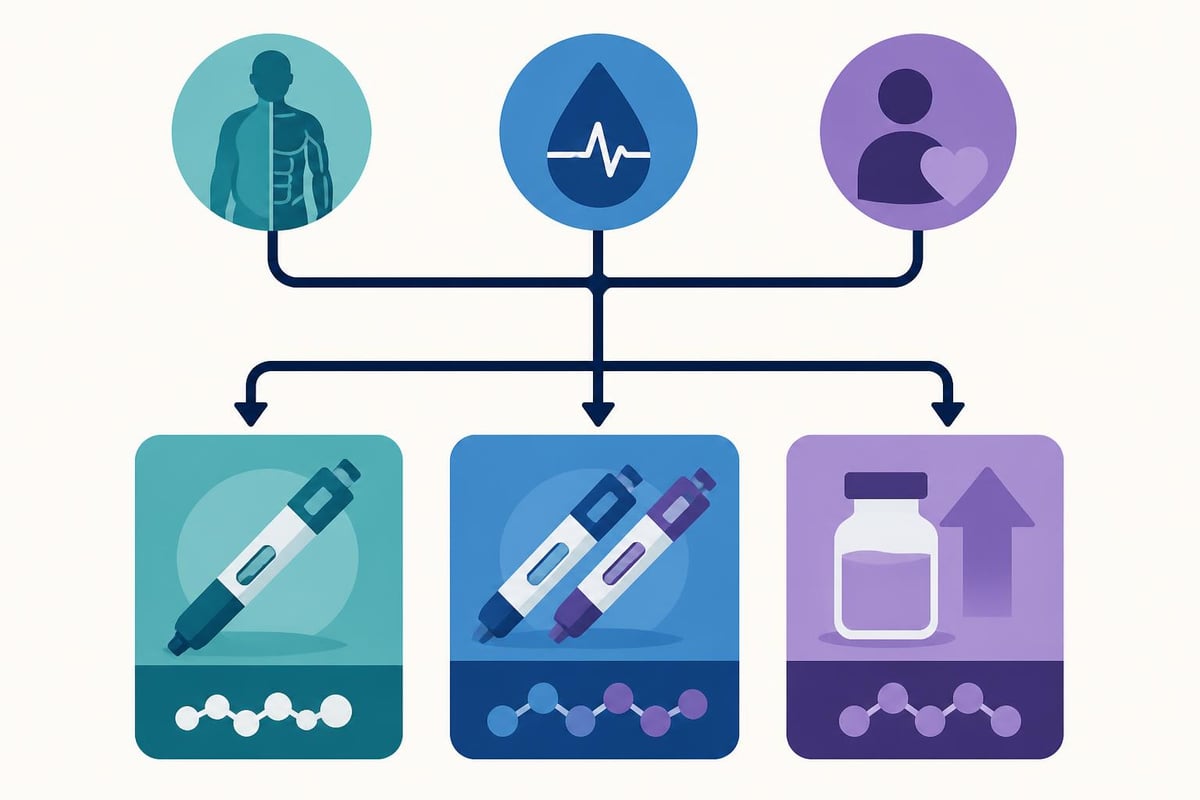
Starting body composition significantly impacts which peptide delivers optimal results. Individuals with substantial weight to lose (BMI over 30) often respond exceptionally well to tirzepatide or retatrutide due to their potent multi-receptor activity. Those seeking modest fat loss or body recomposition may achieve sufficient results with growth hormone secretagogues alone.
Metabolic health markers guide peptide selection based on existing conditions:
- Insulin resistance or prediabetes: GLP-1/GIP agonists improve glucose metabolism
- Elevated visceral fat: Tesamorelin specifically targets abdominal adiposity
- Muscle loss concerns: Growth hormone secretagogues preserve lean tissue
- Cardiovascular risk factors: Dual agonists provide comprehensive metabolic benefits
Administration preferences matter for long-term adherence. Weekly injections offer convenience but require consistent scheduling, while daily protocols demand more discipline but allow flexible dosing adjustments.
Dosing Considerations and Progression
Most peptide protocols begin with conservative starting doses, gradually increasing based on tolerance and results. This titration approach minimizes side effects while identifying the minimum effective dose for each individual.
| Peptide Type | Starting Dose | Target Dose | Escalation Timeline |
|---|---|---|---|
| GLP-1 Agonists | 0.25-0.5 mg | 1.0-2.4 mg | 4-8 weeks |
| Dual Agonists | 2.5 mg | 10-15 mg | 8-12 weeks |
| GH Secretagogues | 100-200 mcg | 300-500 mcg | 2-4 weeks |
Proper dose escalation allows the body to adapt to peptide therapy while reducing common side effects like nausea or injection site reactions. Clinical data on peptide dosing emphasizes the importance of individualized protocols rather than one-size-fits-all approaches.
Safety Profile and Side Effect Management
Understanding the safety considerations surrounding peptide use ensures informed decision-making and proper risk management. While generally well-tolerated, all peptides carry potential side effects that require monitoring.
Common Side Effects Across Peptide Classes
GLP-1 and GIP receptor agonists frequently cause gastrointestinal effects during initial treatment phases. Nausea, occasional vomiting, and changes in bowel habits affect 30-50% of users initially but typically resolve within 2-4 weeks as the body adjusts.
Managing digestive side effects:
- Start with minimal doses and increase gradually
- Take injections after meals rather than on an empty stomach
- Avoid high-fat foods during the adjustment period
- Stay well-hydrated throughout treatment
Growth hormone secretagogues rarely cause significant side effects when used at appropriate doses. Some users report mild water retention, temporary joint stiffness, or slight increases in hunger-paradoxically opposite to their intended effect in rare cases.
Long-Term Considerations
Extended peptide use requires monitoring specific health markers to ensure continued safety. Regular assessment of thyroid function, pancreatic enzymes, and cardiovascular parameters helps identify any adverse trends before they become problematic.
The comprehensive safety data on weight loss peptides indicates that most adverse events occur early in treatment and resolve with dose adjustment or discontinuation. Serious complications remain rare when peptides are sourced from reputable suppliers and used under appropriate medical guidance.
Quality and Purity Standards in Peptide Selection
The effectiveness and safety of peptide therapy depends entirely on product quality. Substandard peptides may contain impurities, incorrect concentrations, or degraded molecules that compromise both results and safety.
Markers of Premium Quality Peptides
Third-party testing represents the gold standard for quality verification. Independent laboratory analysis confirms peptide identity, purity percentage, and absence of contaminants. Reputable suppliers provide certificates of analysis (COA) demonstrating these metrics for each batch.
Proper storage and handling maintains peptide stability from manufacturing through administration. Lyophilized (freeze-dried) peptides require refrigeration and protection from light to prevent degradation. Reconstituted solutions have limited stability periods requiring adherence to specific storage protocols.
Pure Peptide maintains rigorous quality control standards, ensuring all products meet pharmaceutical-grade purity specifications. Each batch undergoes comprehensive testing to verify potency and eliminate contaminants, providing confidence in both safety and effectiveness. The company’s advanced purification methods deliver peptides that match or exceed industry benchmarks.
Red Flags in Peptide Sourcing
Several warning signs indicate potentially substandard peptide sources:
- Absence of third-party testing documentation
- Prices significantly below market averages
- Vague or inconsistent product descriptions
- No clear storage or handling instructions
- Lack of responsive customer support
The best peptides for weight loss come from suppliers committed to transparency, quality verification, and customer education. Investing in premium-grade products ensures optimal results while minimizing risks associated with contaminated or underdosed compounds. Browsing options through a trusted peptide shop helps ensure access to verified, high-purity products.
Integrating Peptides with Lifestyle Modifications
Peptide therapy delivers maximum results when combined with foundational lifestyle strategies. While peptides powerfully influence metabolic pathways, they work synergistically with nutrition and exercise rather than replacing these fundamentals.
Nutritional Strategies That Enhance Peptide Effectiveness
Protein prioritization becomes especially important during peptide-assisted weight loss. Adequate protein intake (0.8-1.2 grams per pound of body weight) supports the muscle-preserving effects of growth hormone secretagogues while providing satiety that complements GLP-1 agonist appetite suppression.
Carbohydrate timing optimizes the insulin-sensitizing effects of GLP-1 receptor agonists. Concentrating carbohydrate intake around training sessions maximizes muscle glycogen storage while minimizing fat accumulation-a strategy that works particularly well with dual agonist protocols.
Micronutrient adequacy deserves attention during aggressive fat loss phases. B vitamins, magnesium, and zinc support the enzymatic processes involved in fat metabolism, ensuring peptides can exert their full metabolic effects.
Exercise Programming Considerations
Resistance training pairs exceptionally well with growth hormone secretagogues, capitalizing on their muscle-preserving properties. Three to four sessions weekly focusing on compound movements maintains lean tissue during caloric deficits.
Cardiovascular activity enhances fat oxidation without interfering with peptide mechanisms. Moderate-intensity steady-state cardio (30-45 minutes, 3-5 times weekly) complements peptide therapy by increasing overall energy expenditure.
Recovery becomes more efficient when peptides support tissue repair and adaptation. Many users find they can maintain higher training volumes while using peptides compared to traditional weight loss approaches, accelerating body composition changes.
Monitoring Progress and Adjusting Protocols
Tracking meaningful metrics ensures peptide protocols deliver expected results and allows timely adjustments when needed. Weight alone provides incomplete information about body composition changes during peptide therapy.
Essential Metrics to Track
Body composition analysis reveals changes in fat mass versus lean tissue, providing insight beyond scale weight. DEXA scans, bioelectrical impedance, or skinfold measurements every 4-6 weeks show whether fat loss is occurring while muscle mass remains stable or increases.
Metabolic markers demonstrate the systemic effects of peptide therapy:
- Fasting glucose and HbA1c track blood sugar improvements
- Lipid panels show cardiovascular risk factor changes
- Inflammatory markers (CRP, homocysteine) reflect overall metabolic health
- Thyroid function ensures no suppression from rapid weight loss
Subjective measures complement objective data. Energy levels, sleep quality, appetite patterns, and workout performance indicate whether the protocol supports overall wellbeing or creates excessive stress.
When to Modify Your Protocol
Several situations warrant protocol adjustments. Stalled progress after initial success may indicate metabolic adaptation requiring dose increases, addition of complementary peptides, or temporary diet breaks to restore metabolic rate.
Excessive side effects suggest the need for dose reduction or alternative peptides. The best peptides for weight loss are those you can use consistently without significant adverse effects-tolerability matters as much as theoretical potency.
Achieving target body composition may transition focus from aggressive fat loss to maintenance protocols. Lower doses of the same peptides often maintain results while reducing costs and injection frequency.
Cost-Effectiveness Analysis of Peptide Therapy
Understanding the financial investment required for peptide therapy helps set realistic expectations and plan sustainable protocols. Costs vary significantly based on peptide selection, dosing requirements, and treatment duration.
Comparing Peptide Protocol Costs
Monthly expenses for peptide therapy range from moderate to substantial depending on specific compounds and doses used:
| Protocol Type | Monthly Cost Range | Treatment Duration | Total Investment |
|---|---|---|---|
| Single GLP-1 Agonist | $200-400 | 6-12 months | $1,200-4,800 |
| Dual Agonist | $300-600 | 6-12 months | $1,800-7,200 |
| GH Secretagogue Stack | $150-350 | 3-6 months | $450-2,100 |
| Comprehensive Protocol | $400-800 | 6-12 months | $2,400-9,600 |
These figures include peptides, bacteriostatic water, and injection supplies but exclude optional add-ons like additional supplements or professional monitoring fees.
Value Proposition Considerations
Comparing peptide therapy costs against alternative weight loss interventions provides perspective. Bariatric surgery typically costs $15,000-25,000 with associated risks and recovery time. Commercial weight loss programs often total $3,000-8,000 annually with mixed long-term success rates.
The best peptides for weight loss offer competitive value when considering both financial costs and results achieved. Success rates with properly implemented peptide protocols often exceed traditional approaches, potentially reducing lifetime healthcare costs through improved metabolic health.
Investing in pharmaceutical-grade peptides from sources maintaining strict purity standards ensures optimal cost-effectiveness by maximizing results per dollar spent. Inferior products may seem economical initially but deliver subpar results requiring longer treatment periods or higher doses-ultimately costing more.
Real-World Applications and User Experiences
Clinical trial data provides foundational evidence, but real-world usage patterns reveal practical considerations that influence long-term success. Understanding common experiences helps set appropriate expectations.
Typical Timeline for Visible Results
Most users notice initial effects within the first 2-4 weeks of starting peptide therapy. GLP-1 agonists typically reduce appetite and food cravings within days, though measurable weight loss accumulates more gradually.
Progressive changes over time:
- Weeks 1-4: Appetite reduction, initial weight loss (2-5% of body weight), improved satiety
- Weeks 5-12: Accelerating fat loss (5-10% total), visible body composition changes, metabolic improvements
- Weeks 13-24: Continued fat reduction (10-20% total), stabilizing at maintenance doses, lasting metabolic adaptations
Growth hormone secretagogues show more subtle effects initially, with most users reporting enhanced recovery and gradual body recomposition over 8-12 weeks rather than dramatic scale changes.
Managing Expectations Realistically
While peptide therapy produces impressive results for many users, individual responses vary based on genetics, adherence, starting metabolic health, and lifestyle factors. Setting realistic expectations prevents disappointment and supports long-term commitment.
Some individuals respond exceptionally to specific peptides, losing 20-30% of body weight over extended protocols. Others achieve more modest 10-15% reductions despite faithful adherence-still significant improvements delivering substantial health benefits.
Rankings of peptides by clinical evidence help identify compounds with the strongest data supporting their effectiveness, though individual variation means optimal choices differ between users.
Emerging Peptide Research and Future Directions
The peptide landscape continues evolving rapidly, with multiple compounds in various development stages promising even more effective weight loss solutions. Staying informed about emerging research helps identify future opportunities.
Next-Generation Compounds in Development
Oral peptide formulations represent a major research focus, potentially eliminating injection requirements. Early-stage trials of oral semaglutide show promising absorption, though current formulations require specific administration protocols to maximize bioavailability.
Extended-release technologies aim to reduce injection frequency from weekly to monthly or even quarterly. Polymer-based depot formulations slowly release peptides over extended periods, improving convenience while maintaining therapeutic blood levels.
Tissue-selective peptides in preclinical development target specific fat depots or metabolic pathways with unprecedented precision. These compounds may eventually allow customized approaches based on individual fat distribution patterns and metabolic profiles.
Integration with Complementary Therapies
Future protocols will likely combine peptides with other emerging technologies for synergistic effects. Continuous glucose monitoring paired with GLP-1 agonists enables real-time feedback optimizing dietary choices. Genetic testing may eventually guide peptide selection based on individual receptor variants and metabolic predispositions.
The trajectory of peptide research suggests increasingly effective, convenient, and personalized options becoming available over the next several years. Staying connected with reputable sources and suppliers ensures access to validated compounds as they emerge.
Selecting the best peptides for weight loss requires balancing scientific evidence, individual metabolic factors, and practical considerations like administration preferences and budget. Both FDA-approved compounds like semaglutide and tirzepatide and research-grade peptides like tesamorelin and ipamorelin offer distinct advantages for different situations. Success ultimately depends on sourcing high-purity compounds, implementing appropriate protocols, and integrating peptide therapy with foundational lifestyle strategies. Pure Peptide provides pharmaceutical-grade peptides backed by rigorous quality testing and transparent third-party verification, ensuring you receive the purity and potency necessary for optimal results in your weight loss journey.