


The pursuit of longevity and cellular health has led researchers to explore various peptides that may influence aging at the molecular level. Among these compounds, the epitalon peptide has garnered significant attention for its proposed effects on telomere length and cellular function. Originally developed in Russia during the 1980s, this synthetic tetrapeptide consists of four amino acids: alanine, glutamic acid, aspartic acid, and glycine. Understanding how this peptide functions and what current research reveals about its mechanisms provides valuable insight for those interested in anti-aging interventions and cellular optimization.
Understanding Epitalon’s Structure and Development
The epitalon peptide emerged from research conducted at the St. Petersburg Institute of Bioregulation and Gerontology under the direction of Professor Vladimir Khavinson. This synthetic peptide was designed to replicate the biological activity of epithalamin, a naturally occurring pineal gland extract. The four-amino-acid sequence provides a simplified, standardized version that researchers could study more systematically.
Chemical Composition and Properties
The molecular formula of this tetrapeptide reveals its relatively simple structure compared to larger protein chains. With a molecular weight of approximately 390 Daltons, the compound demonstrates stability under various storage conditions when properly handled. The sequence Ala-Glu-Asp-Gly represents the specific arrangement that determines its biological activity.
Key structural characteristics include:
- Water-soluble properties enabling various administration routes
- Stability at physiological pH levels
- Relatively short half-life requiring repeated dosing protocols
- Synthetic production ensuring consistency and purity
Research facilities have developed standardized manufacturing processes to produce pharmaceutical-grade versions of this peptide. Detailed information about Epitalon’s chemical properties provides researchers with essential specifications for laboratory work and clinical investigations.
Mechanisms of Action and Cellular Targets
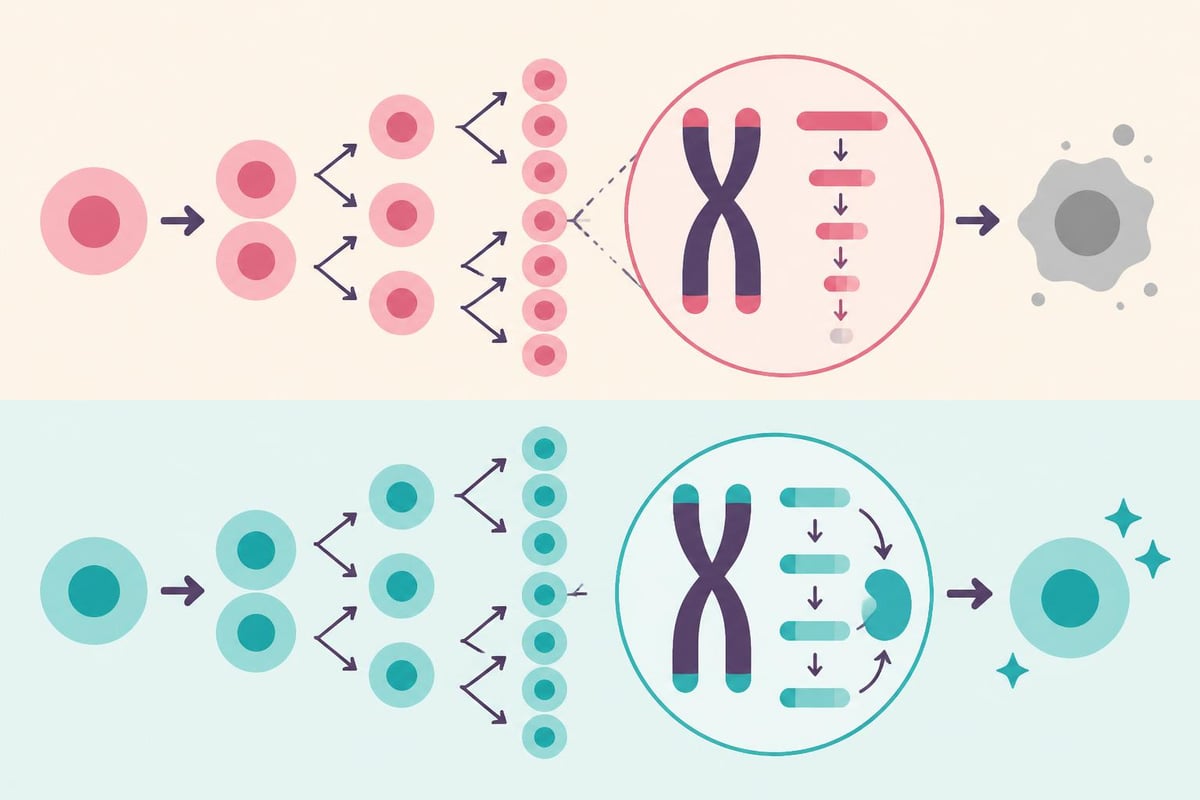
The primary proposed mechanism through which epitalon peptide functions involves telomere biology and the enzyme telomerase. Telomeres are protective caps at the ends of chromosomes that shorten with each cell division, eventually leading to cellular senescence. This natural process represents one of the fundamental mechanisms of biological aging.
Telomerase Activation
Studies suggest that this peptide may stimulate the production of telomerase, an enzyme responsible for adding nucleotide sequences to telomeres. By activating telomerase in somatic cells where it typically remains dormant, the compound theoretically could slow or reverse telomere shortening. Research on telomere length effects has demonstrated measurable changes in certain cell lines treated with the peptide.
The activation process appears to involve:
- Binding to specific cellular receptors or entry into cells
- Signaling pathway activation leading to telomerase gene expression
- Increased production of the telomerase reverse transcriptase (TERT) component
- Enhanced enzymatic activity at chromosome ends
- Measurable elongation of telomeric DNA sequences
Additional Biological Effects
Beyond telomere-related mechanisms, research has identified several other potential pathways:
| Biological System | Proposed Effect | Research Status |
|---|---|---|
| Pineal Gland | Melatonin regulation | Preliminary animal studies |
| Circadian Rhythm | Sleep cycle normalization | Limited human data |
| Antioxidant Systems | Free radical reduction | In vitro observations |
| Immune Function | Enhanced cellular response | Early-stage research |
The epitalon peptide may also influence gene expression patterns related to aging and cellular maintenance. These epigenetic effects could contribute to the overall anti-aging potential beyond simple telomere preservation.
Research Findings and Clinical Evidence
The scientific literature on this peptide presents an interesting picture characterized by promising preliminary findings alongside significant limitations. Most published research originates from Russian studies, with relatively few independent investigations conducted by separate research groups worldwide.
Animal Studies and Laboratory Research
Early animal models demonstrated several noteworthy outcomes. Studies in rodents showed extended lifespan in treated groups compared to controls, with some experiments reporting increases of 10-20% in maximum lifespan. These findings generated considerable interest in the peptide’s potential applications.
Observed effects in animal research include:
- Extended survival times in aging mouse models
- Improved reproductive function in older animals
- Enhanced resistance to oxidative stress
- Normalized circadian rhythms and sleep patterns
- Reduced tumor incidence in some studies
However, the concentration of research within a single group raises questions about reproducibility. The current state of Epitalon research highlights both the intriguing results and the need for broader scientific validation.

Human Studies and Clinical Observations
Human research on epitalon peptide remains limited compared to preclinical investigations. Small clinical trials have examined various outcomes, though methodological limitations affect the strength of conclusions that can be drawn.
One notable study examined elderly participants over several years, reporting improved biomarkers of aging and reduced mortality rates in the treatment group. Another investigation focused on circadian rhythm disorders, suggesting improvements in sleep quality and melatonin secretion patterns.
| Study Type | Sample Size | Duration | Key Findings | Limitations |
|---|---|---|---|---|
| Longevity Trial | 266 participants | 12 years | Reduced mortality | Lack of placebo control |
| Retinal Function | 100+ patients | 3 months | Visual improvement | Small effect size |
| Cardiovascular | 60 participants | 2-3 years | Blood pressure normalization | Single research group |
Critical examination of existing research emphasizes that while initial results appear encouraging, the field requires large-scale, double-blind, placebo-controlled trials conducted by independent research teams to establish definitive efficacy.
Potential Applications and Use Cases
Interest in epitalon peptide spans multiple domains, from longevity research to specific age-related conditions. Understanding these potential applications helps contextualize where this compound might fit within broader anti-aging strategies.
Longevity and Lifespan Extension
The most ambitious proposed application involves extending healthy human lifespan by addressing fundamental aging mechanisms. The theoretical basis for longevity research suggests that maintaining telomere length could postpone cellular senescence and age-related decline.
Researchers have hypothesized that regular peptide administration might:
- Slow the biological aging clock at the cellular level
- Maintain tissue regenerative capacity longer
- Reduce accumulation of senescent cells
- Preserve organ function across multiple systems
- Delay onset of age-related diseases
Age-Related Disease Prevention
Beyond simple lifespan extension, the epitalon peptide may offer protective effects against specific conditions associated with aging. Preliminary evidence suggests potential benefits for cardiovascular health, neurodegenerative conditions, and metabolic disorders.
The compound’s proposed neuroprotective properties have attracted particular interest. Some research indicates it may support cognitive function and protect against neuronal damage, though clinical evidence remains preliminary. Those interested in recovery and cellular optimization might also explore TB-500 peptide options for complementary benefits.
Sleep and Circadian Rhythm Regulation
The relationship between this peptide and the pineal gland suggests applications for circadian rhythm disorders. Studies have examined its effects on melatonin production and sleep quality, particularly in elderly individuals experiencing age-related sleep disruptions.
Dosing Protocols and Administration Methods
Understanding appropriate dosing represents a critical consideration for anyone examining epitalon peptide protocols. Research has employed various dosing strategies, though standardization across studies remains limited.
Common Dosing Approaches
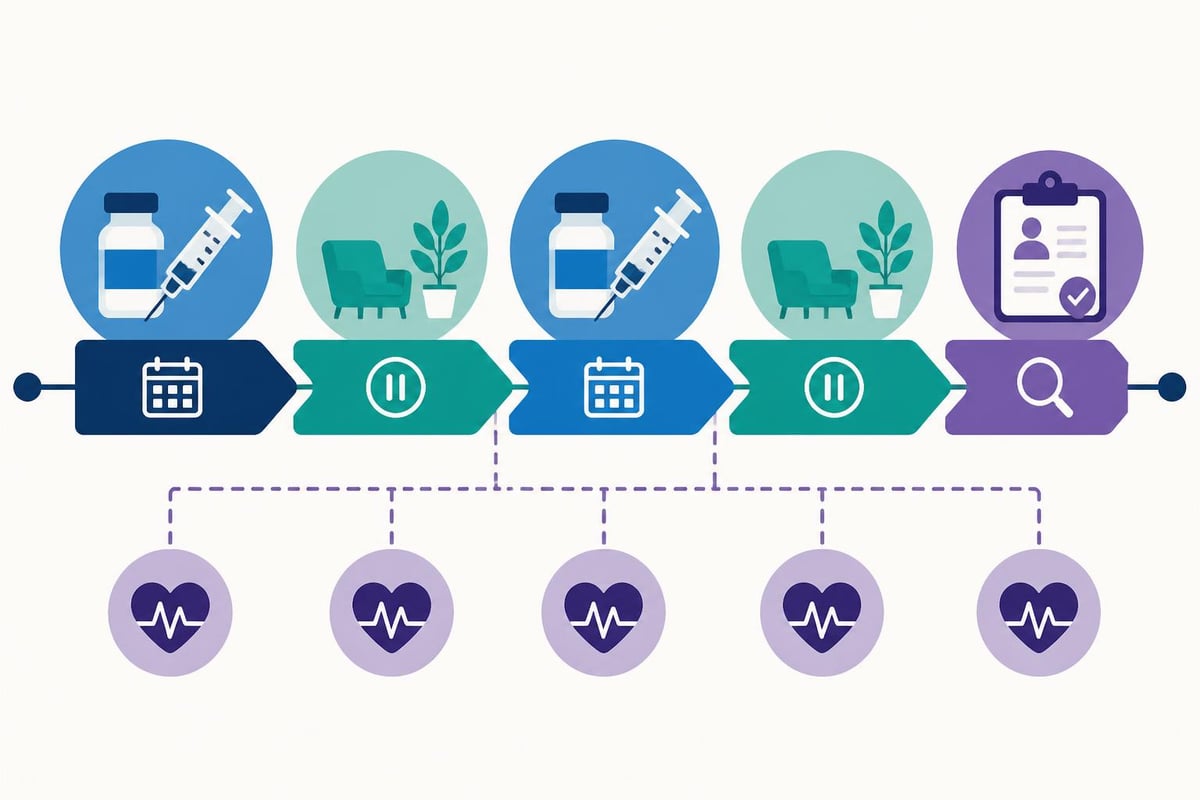
Most research protocols have utilized subcutaneous or intramuscular injection as the primary administration route. Typical dosing ranges from 5 to 10 milligrams per day, administered over specific cycles rather than continuous use.
Frequently cited protocols include:
- Daily injections of 5-10mg for 10-20 consecutive days
- Repeated cycles every 3-6 months
- Longer courses of 6-12 months in some longevity studies
- Variable timing based on specific research objectives
The cyclical approach stems from observations that continuous administration may not provide additional benefits compared to periodic dosing. This pattern allows cellular systems to respond to the peptide stimulus while avoiding potential desensitization.
Administration Considerations
Proper reconstitution and handling ensure the peptide maintains its biological activity. The compound typically arrives as a lyophilized powder requiring reconstitution with bacteriostatic water or sterile saline before injection.
Storage requirements include refrigeration of both powdered and reconstituted forms, with protection from light exposure. Following proper peptide handling guidelines helps maintain product integrity and effectiveness.
Safety Profile and Reported Side Effects
Current evidence suggests the epitalon peptide demonstrates a relatively favorable safety profile, though comprehensive long-term safety data remains limited. Most reported adverse effects appear mild and transient.
Documented Side Effects
Published studies report minimal serious adverse events associated with peptide use. The most commonly noted experiences include:
- Mild injection site reactions (redness, minor discomfort)
- Temporary headaches during initial administration
- Slight drowsiness or altered sleep patterns
- Occasional flushing or warmth sensations
These effects typically resolve without intervention and decrease with continued use. The low incidence of serious complications across available studies provides preliminary reassurance, though the limited scope of human trials means rare adverse events might not yet be documented.
Contraindications and Precautions
Certain populations should exercise particular caution or avoid this peptide entirely. Pregnant or nursing women lack sufficient safety data to justify use. Individuals with active cancer should consult healthcare providers, as telomerase activation theoretically could affect tumor cell behavior, though no clinical evidence confirms this concern.
Those considering peptide therapies should review their complete health profile and explore frequently asked questions about peptide use to make informed decisions.
Quality Considerations and Product Selection
The effectiveness and safety of any peptide therapy depends fundamentally on product quality. Manufacturing standards, purity levels, and proper storage all influence the biological activity of epitalon peptide preparations.
Purity and Testing Standards
Pharmaceutical-grade peptides should meet rigorous purity specifications, typically exceeding 98% purity as verified by high-performance liquid chromatography (HPLC). Third-party testing provides additional assurance that products contain the stated peptide in appropriate concentrations without significant contaminants.
Quality indicators to evaluate include:
- HPLC purity verification
- Mass spectrometry confirmation
- Sterility testing results
- Endotoxin level documentation
- Certificate of analysis availability
Manufacturing and Sourcing
Reputable suppliers employ advanced synthesis and purification techniques to ensure consistent product quality. The peptide synthesis process typically uses solid-phase peptide synthesis (SPPS) methods, followed by multiple purification steps to remove synthesis byproducts and achieve pharmaceutical-grade specifications.
When evaluating suppliers, consider their transparency regarding manufacturing processes, testing protocols, and quality assurance measures. Premium quality peptides from established suppliers provide the foundation for safe and potentially effective protocols.
Integration with Broader Anti-Aging Strategies
The epitalon peptide represents one component within a comprehensive approach to longevity and healthy aging. Understanding how it fits alongside other interventions provides context for realistic expectations and optimal protocol design.
Complementary Peptides and Compounds
Many individuals combine this telomere-focused peptide with other compounds targeting different aging mechanisms. Growth hormone secretagogues like Ipamorelin address hormonal optimization, while tissue repair peptides support recovery and regeneration.
A multi-faceted approach might include:
- Telomere maintenance through epitalon peptide
- Growth hormone optimization via peptide secretagogues
- Metabolic enhancement with appropriate compounds
- Tissue repair and recovery support
- Antioxidant and mitochondrial support
Lifestyle Factors and Foundation Health
No peptide therapy can compensate for poor lifestyle choices or fundamental health neglect. Optimal outcomes require a foundation of appropriate nutrition, regular physical activity, stress management, and adequate sleep.
The synergistic relationship between peptide interventions and lifestyle factors means that individuals maintaining healthy habits likely experience enhanced responses to compounds like the epitalon peptide. This principle applies across the spectrum of anti-aging peptide applications.
Future Research Directions and Unanswered Questions
Despite decades of research, significant questions about epitalon peptide remain unanswered. The field requires additional investigation to establish definitive conclusions about efficacy, optimal protocols, and long-term outcomes.
Critical Research Gaps
The concentration of published research within a limited number of research groups represents a significant limitation. Independent replication studies conducted by diverse research teams would substantially strengthen the evidence base. Large-scale, randomized controlled trials with extended follow-up periods are particularly needed.
Priority research questions include:
- What constitutes the optimal dosing protocol for specific outcomes?
- Do effects persist long-term after discontinuation?
- How do individual variations influence response?
- What biomarkers best predict treatment response?
- Are there subpopulations that benefit most significantly?
Emerging Applications and Investigations
Recent interest in peptide therapeutics has expanded beyond traditional anti-aging applications. Researchers are exploring potential benefits for specific conditions including neurodegenerative diseases, metabolic disorders, and tissue regeneration following injury.
Comprehensive information on Epithalon applications highlights both established uses and emerging areas of investigation that may reveal additional therapeutic potential in coming years.
Regulatory Status and Availability
The regulatory landscape for epitalon peptide varies significantly across jurisdictions. Understanding the legal status and availability in different regions helps individuals navigate appropriate access channels.
Current Regulatory Classifications
In the United States, this peptide exists in a regulatory gray area. The FDA has not approved it for any medical indication, and it cannot be marketed as a drug or dietary supplement for human consumption. However, it remains available for research purposes through various suppliers.
Different countries maintain varying policies:
| Region | Regulatory Status | Availability |
|---|---|---|
| United States | Not FDA approved | Research use only |
| European Union | No marketing authorization | Variable by country |
| Russia | Historical research use | Limited availability |
| Australia | Prescription required | Restricted access |
Research and Personal Use Considerations
Individuals interested in epitalon peptide typically access it through research chemical suppliers. The “research purposes only” designation reflects the lack of formal medical approval rather than proven danger, though it also means quality and consistency may vary between suppliers.
Those exploring peptide options should prioritize suppliers with transparent testing protocols and quality documentation. Reviewing customer experiences and product reviews provides additional insight into supplier reliability and product effectiveness.
Monitoring and Biomarker Tracking
Assessing the effectiveness of any intervention requires appropriate monitoring strategies. For epitalon peptide, several biomarkers and subjective measures can help track potential benefits.
Objective Measurements
While direct telomere length testing provides the most specific assessment, it remains expensive and not widely available. Alternative markers that may reflect beneficial effects include:
- Complete blood count and comprehensive metabolic panels
- Markers of inflammation (C-reactive protein, homocysteine)
- Hormone levels (melatonin, cortisol patterns)
- Sleep quality metrics from wearable devices
- Cardiovascular parameters (blood pressure, heart rate variability)
Establishing baseline measurements before beginning any protocol enables meaningful comparisons over time. Regular monitoring at consistent intervals provides data to assess individual response patterns.
Subjective Assessments
Beyond laboratory values, subjective experiences often provide the first indication of peptide effects. Keeping detailed records of sleep quality, energy levels, cognitive function, and overall well-being helps identify patterns that may not appear in standard testing.
Many individuals report noticing changes in sleep patterns within the first few weeks of use, while other effects may require longer observation periods. Patience and consistent documentation support informed decision-making about protocol continuation or modification.
Understanding the epitalon peptide requires appreciating both its promising mechanisms and the current limitations of available research. This tetrapeptide’s effects on telomere biology and cellular aging represent an intriguing avenue for longevity research, though definitive conclusions await broader scientific validation. Whether you’re exploring peptides for anti-aging support, recovery enhancement, or general wellness optimization, working with high-quality compounds forms the foundation of any effective protocol. Pure Peptide provides access to premium peptides manufactured under stringent quality standards, ensuring you receive products with verified purity and potency for your research and wellness goals.