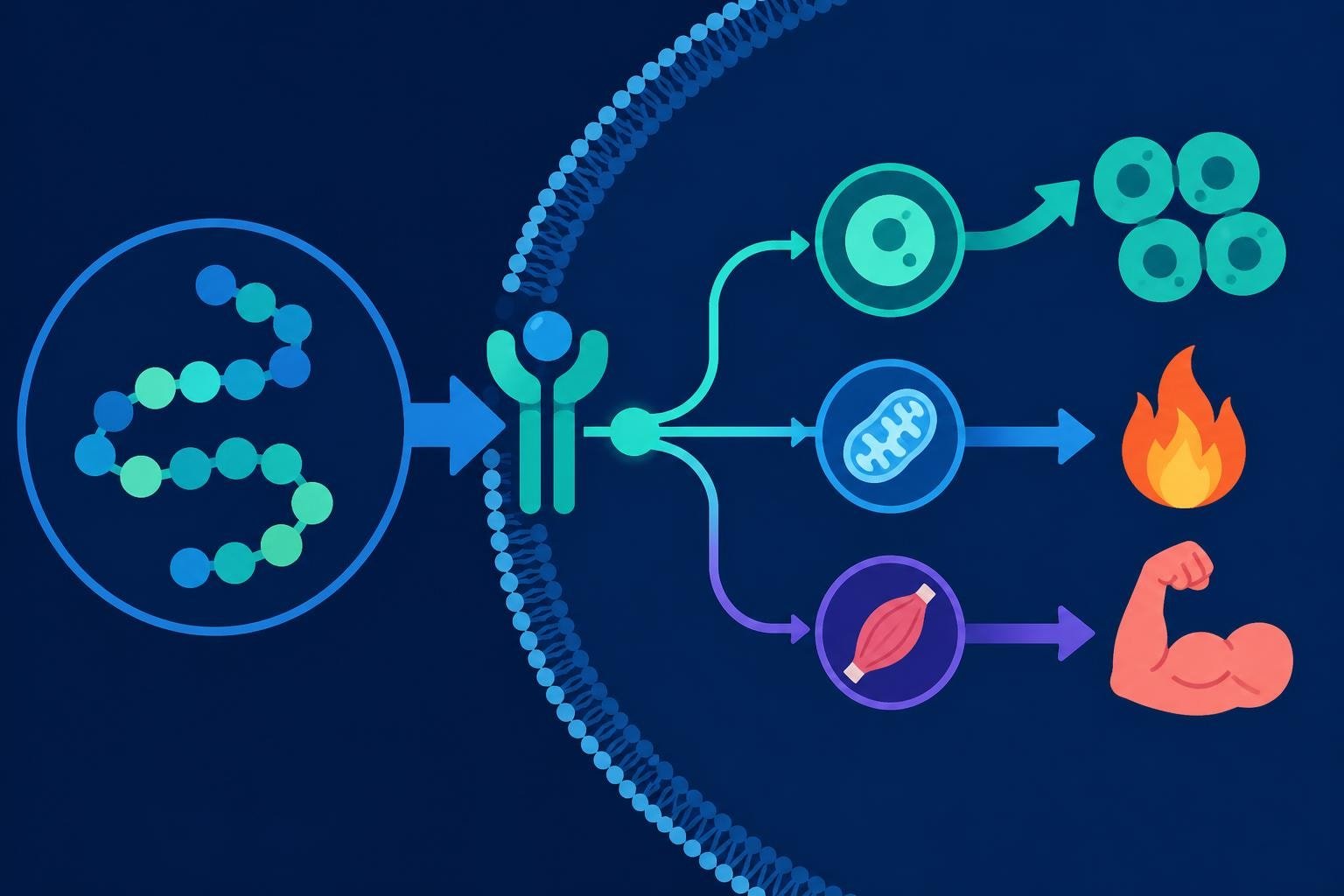

The world of peptide therapy continues to expand with innovative compounds designed to optimize human performance, body composition, and metabolic health. Among these cutting-edge therapeutics, peptides IGF LR3 stands out as a modified form of insulin-like growth factor that has captured significant attention in athletic, bodybuilding, and research communities. This synthetic analog offers a longer half-life and enhanced potency compared to naturally occurring IGF-1, making it a subject of considerable scientific interest and practical application for those seeking to maximize their physical potential.
Understanding the Science Behind Peptides IGF LR3
Insulin-Like Growth Factor-1 Long R3 (IGF-1 LR3) represents a sophisticated modification of the naturally occurring IGF-1 protein. This engineered peptide includes an amino acid substitution at position 3, where arginine replaces glutamic acid, along with a 13-amino acid extension at the N-terminus. These structural changes dramatically reduce the peptide's affinity for IGF-binding proteins, allowing it to remain biologically active in the body for significantly longer periods.
The extended half-life of peptides IGF LR3 transforms its therapeutic potential. While standard IGF-1 has a half-life of approximately 10-12 hours, IGF-1 LR3 remains active for 20-30 hours. This prolonged activity window means more sustained anabolic effects and fewer administration requirements compared to other growth factor analogs.
Mechanism of Action and Cellular Pathways
When introduced into the body, peptides IGF LR3 binds to IGF-1 receptors throughout various tissues, particularly in muscle and connective tissue. This binding initiates a cascade of cellular events that promote protein synthesis, cellular differentiation, and metabolic shifts favorable to muscle growth and fat utilization. The reduced binding to IGF-binding proteins means more of the active compound reaches target tissues.
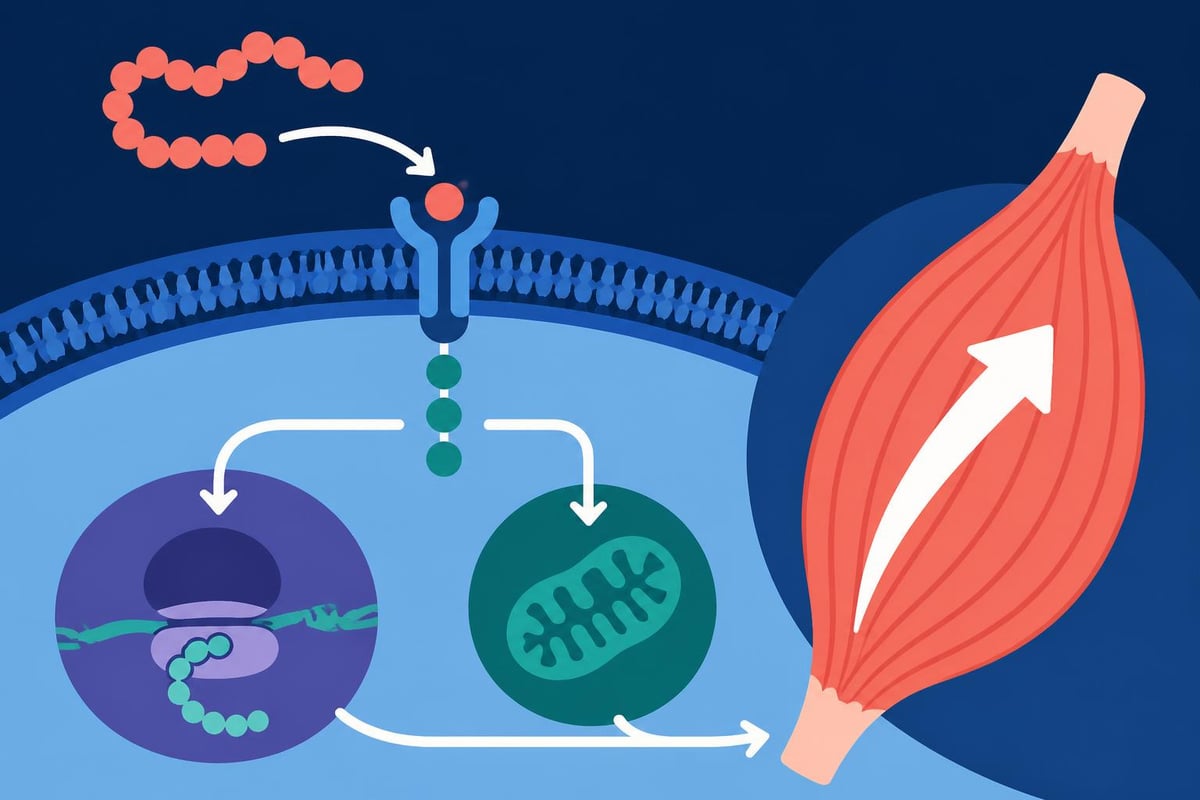
The compound influences several critical biological processes:
- Protein synthesis enhancement through mTOR pathway activation
- Glucose uptake improvement in skeletal muscle tissue
- Cellular proliferation and satellite cell activation
- Fat metabolism acceleration through lipolytic pathways
- Nitrogen retention for improved muscle preservation
Understanding IGF-1’s role in metabolic regulation provides crucial context for appreciating how this modified peptide functions within complex physiological systems.
Primary Benefits and Applications
The therapeutic and performance-enhancing applications of peptides IGF LR3 span multiple domains of human physiology. Athletes, bodybuilders, and individuals focused on body recomposition have reported substantial benefits when incorporating this peptide into structured protocols.
Muscle Growth and Hypertrophy
Perhaps the most sought-after benefit involves enhanced muscle tissue development. Peptides IGF LR3 stimulates both muscle cell hyperplasia (increase in cell number) and hypertrophy (increase in cell size). This dual mechanism creates conditions for sustained muscle growth beyond what natural training adaptations typically produce.
Research participants and users have documented accelerated recovery between training sessions, allowing for increased training volume and frequency. The peptide's ability to activate satellite cells-dormant muscle progenitor cells-contributes to muscle fiber repair and new tissue formation. This process becomes particularly valuable for individuals who have reached natural genetic limitations or plateaus in their training progression.
| Muscle Growth Metric | Typical Response Timeframe | Observable Changes |
|---|---|---|
| Strength increases | 2-4 weeks | 5-15% improvement |
| Muscle fullness | 1-2 weeks | Enhanced glycogen storage |
| Lean mass gains | 4-8 weeks | 2-6 pounds typical |
| Recovery time | 1-3 weeks | 20-40% reduction |
Fat Loss and Body Composition
Beyond muscle building, peptides IGF LR3 demonstrates significant effects on adipose tissue metabolism. The compound enhances lipolysis-the breakdown of stored fat for energy-while simultaneously promoting nutrient partitioning toward muscle tissue rather than fat storage. This dual action creates an optimized environment for body recomposition.
Users commonly report improved muscle definition and reduced subcutaneous fat, particularly when combined with appropriate nutrition and training protocols. The peptide's influence on insulin sensitivity and glucose metabolism contributes to these favorable body composition changes. Those exploring various compounds for weight management may also be interested in options like Semaglutide, which targets different metabolic pathways.
Recovery and Injury Healing
The regenerative properties of peptides IGF LR3 extend to connective tissue, tendons, and ligaments. Athletes recovering from injuries have utilized this peptide to potentially accelerate healing processes and reduce downtime from training. The compound's ability to stimulate cellular proliferation and collagen synthesis supports tissue repair mechanisms throughout the body.
Dosage Protocols and Administration Guidelines
Implementing peptides IGF LR3 effectively requires understanding proper dosing strategies, timing considerations, and administration techniques. The compound's potency and extended half-life demand careful attention to protocol design.
Standard Dosing Recommendations
Most protocols involving peptides IGF LR3 utilize doses ranging from 20 to 100 micrograms (mcg) per day, with many users finding optimal results in the 40-60 mcg range. Unlike some peptides that require multiple daily administrations, the extended half-life of IGF-1 LR3 allows for once-daily or even every-other-day dosing.
Beginner Protocol:
- Start with 20-30 mcg daily
- Administer post-workout or before bed
- Continue for 4-6 weeks
- Take a minimum 4-week break between cycles
Intermediate Protocol:
- Begin with 40-60 mcg daily
- Split dose bilateral (both sides of body) if desired
- Run for 4-8 weeks maximum
- Implement equal length off-cycle period
Advanced Protocol:
- Utilize 60-100 mcg daily
- Consider every-other-day dosing at higher ranges
- Limit cycles to 6-8 weeks
- Extend off-cycle periods to 8-12 weeks
The principle of cycling remains critical with peptides IGF LR3 to prevent receptor downregulation and maintain responsiveness to the compound. Continuous use without breaks diminishes effectiveness and may create dependency on exogenous growth factors.
Administration Methods and Injection Sites
Peptides IGF LR3 requires subcutaneous or intramuscular injection. Subcutaneous administration into abdominal fat remains the most common approach, offering convenience and consistent absorption. Some users prefer intramuscular injection into recently trained muscles, theorizing this approach delivers the compound directly to tissues undergoing recovery and growth.
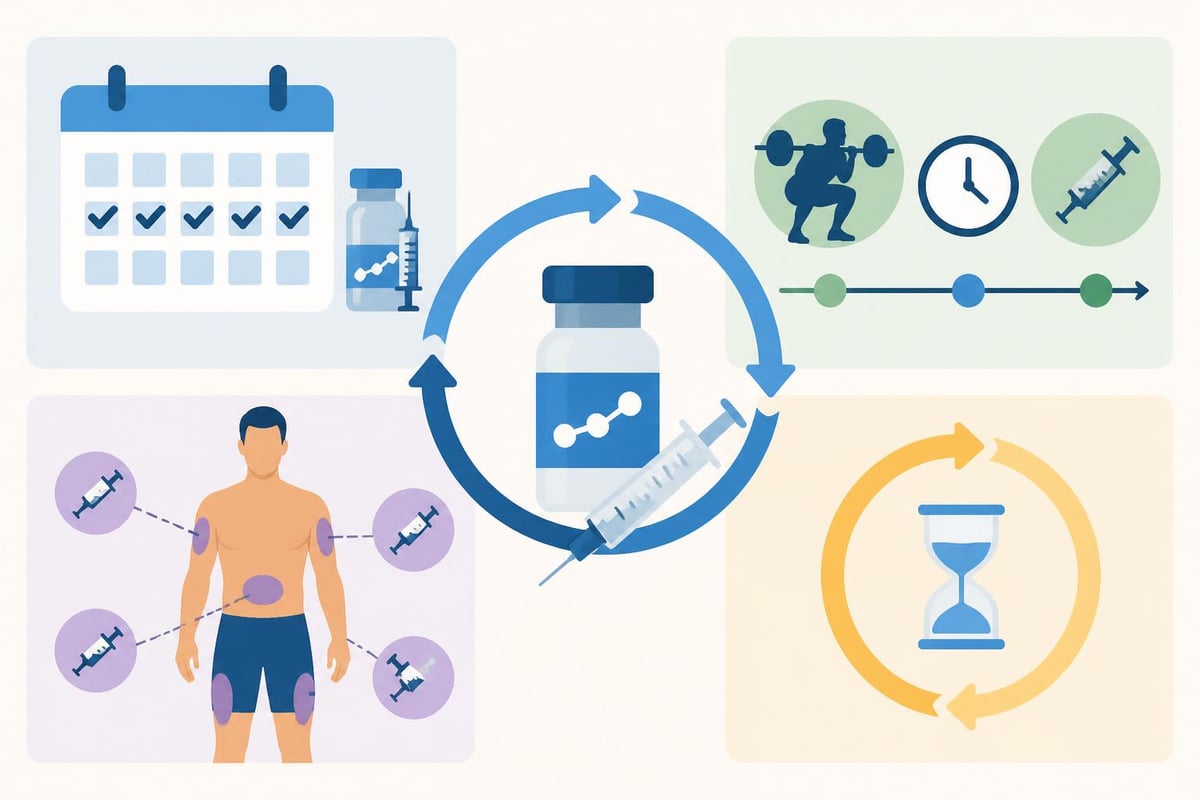
Proper reconstitution using bacteriostatic water ensures peptide stability and sterility. Quality injection supplies and bacteriostatic water form essential components of any peptide protocol.
Combining Peptides IGF LR3 With Other Compounds
The synergistic potential of peptides IGF LR3 becomes apparent when integrated into comprehensive peptide stacks. Many experienced users combine this compound with complementary peptides to address multiple physiological pathways simultaneously.
Growth Hormone Secretagogues
Pairing peptides IGF LR3 with growth hormone-releasing peptides creates a powerful anabolic environment. Compounds like Ipamorelin stimulate natural growth hormone production, while IGF-1 LR3 provides direct downstream growth factor activity. This combination amplifies the benefits of both compounds while maintaining different mechanisms of action.
The timing of these combinations matters significantly:
- Administer growth hormone secretagogues on an empty stomach
- Take peptides IGF LR3 post-workout or before bed
- Space administrations by several hours when possible
- Monitor response and adjust accordingly
Recovery and Regeneration Peptides
Combining peptides IGF LR3 with regenerative compounds addresses both growth and repair. BPC-157 and TB-500 target tissue healing through different pathways than IGF-1 LR3, creating comprehensive recovery support. This approach proves particularly valuable for athletes managing chronic injuries or seeking accelerated recovery from intense training cycles.
| Peptide Combination | Primary Focus | Synergistic Benefits |
|---|---|---|
| IGF-1 LR3 + Ipamorelin | Muscle growth | Enhanced GH/IGF axis activation |
| IGF-1 LR3 + BPC-157 | Recovery | Muscle growth plus tissue repair |
| IGF-1 LR3 + TB-500 | Athletic performance | Size, strength, and injury prevention |
| IGF-1 LR3 + CJC-1295 | Body recomposition | Sustained anabolic environment |
Safety Considerations and Side Effect Management
While peptides IGF LR3 offers substantial benefits, understanding potential adverse effects and implementing appropriate safety measures remains paramount. Responsible use requires awareness of both common and serious side effects that may occur.
Common Side Effects
Most users tolerate peptides IGF LR3 well when following appropriate protocols. However, some individuals experience mild to moderate side effects, particularly during initial use or at higher doses:
- Hypoglycemia (low blood sugar), especially if taken without adequate carbohydrates
- Joint discomfort or stiffness during adaptation periods
- Headaches, typically during the first week of use
- Temporary water retention in extremities
- Increased hunger or changes in appetite patterns
Managing these effects often involves simple protocol adjustments. Taking the peptide with a carbohydrate source prevents hypoglycemic episodes. Adequate hydration reduces headaches and supports overall peptide metabolism. Starting with conservative doses allows the body to adapt gradually.
Serious Considerations and Contraindications
Individuals with certain health conditions should avoid peptides IGF LR3 or consult healthcare professionals before use. Active cancer or history of malignancy represents a significant contraindication due to IGF-1's role in cellular proliferation. The compound's growth-promoting effects could theoretically accelerate tumor growth in susceptible individuals.
Other contraindications include:
- Diabetic retinopathy or advanced diabetes complications
- Acromegaly or conditions involving excessive growth hormone
- Pregnancy or lactation due to unknown fetal effects
- Active cardiovascular disease requiring medical management
Blood glucose monitoring becomes especially important for individuals with insulin resistance or metabolic syndrome. The compound's effects on glucose uptake and insulin sensitivity necessitate vigilant observation of glycemic responses.

Quality and Sourcing Considerations
The effectiveness and safety of peptides IGF LR3 depends fundamentally on product purity and authenticity. The peptide market contains substantial variation in quality, making vendor selection a critical decision for users.
Purity Standards and Testing
Pharmaceutical-grade peptides IGF LR3 should meet minimum purity standards of 98% or higher. Third-party laboratory testing confirms both purity and correct amino acid sequencing. Certificate of Analysis documentation provides transparency regarding product composition and quality control processes.
Premium peptide suppliers implement multiple quality assurance measures:
- High-Performance Liquid Chromatography (HPLC) testing
- Mass spectrometry verification of molecular weight
- Sterility testing for bacterial contamination
- Endotoxin screening for safety
- Proper storage in controlled temperature environments
Storage and Handling Best Practices
Proper storage preserves peptides IGF LR3 potency throughout its intended shelf life. Lyophilized (freeze-dried) powder remains stable when stored at 2-8°C (refrigerated) for extended periods. Once reconstituted with bacteriostatic water, the solution requires refrigeration and typically maintains potency for 30 days.
Avoiding temperature fluctuations, direct light exposure, and contamination during reconstitution protects the peptide's structural integrity. Many users find that maintaining a dedicated peptide storage system in their refrigerator prevents accidental temperature exposure or contamination.
Research Applications and Future Directions
Scientific investigation into peptides IGF LR3 continues expanding our understanding of growth factor biology and therapeutic applications. While much current use occurs in athletic and bodybuilding contexts, ongoing research explores potential medical applications.
Current Research Focus Areas
Contemporary studies examine IGF-1 LR3's potential in age-related muscle wasting (sarcopenia), metabolic disorders, and wound healing applications. The compound's ability to stimulate cellular regeneration and protein synthesis holds promise for clinical populations experiencing muscle loss due to aging, disease, or prolonged immobilization.
Researchers also investigate optimal dosing strategies, combination protocols with other therapeutic agents, and long-term safety profiles. Understanding how IGF-1 influences cellular growth and differentiation informs these investigational approaches and refines our knowledge of growth factor therapeutics.
Regulatory Landscape
The regulatory status of peptides IGF LR3 varies by jurisdiction. In the United States, the compound falls outside FDA approval for human use, existing primarily in the research chemical category. Athletes subject to competitive drug testing should recognize that IGF-1 LR3 appears on prohibited substance lists for most sports organizations.
This regulatory environment necessitates informed decision-making and awareness of legal implications in various contexts. Those utilizing peptides for research purposes should ensure compliance with applicable regulations and organizational policies.
Maximizing Results With Lifestyle Optimization
The benefits of peptides IGF LR3 amplify significantly when integrated into comprehensive lifestyle optimization strategies. The compound functions as a powerful tool, but nutrition, training, and recovery practices determine ultimate outcomes.
Nutritional Considerations
Adequate protein intake supports the enhanced protein synthesis that peptides IGF LR3 stimulates. Most users optimize results with 1.0-1.5 grams of protein per pound of body weight daily. Carbohydrate timing around training and peptide administration provides substrate for growth processes and prevents hypoglycemia.
Micronutrient sufficiency, particularly zinc, magnesium, and B vitamins, supports the enzymatic processes involved in protein synthesis and cellular energy production. Hydration status affects peptide distribution and cellular function, making consistent water intake essential.
Training Protocol Adjustments
The enhanced recovery capacity from peptides IGF LR3 may allow increased training frequency or volume. However, progressive overload principles still apply-the peptide doesn't eliminate the need for appropriate training stimulus. Many users find that increasing training frequency from 4 to 5-6 sessions weekly produces superior results when recovery capacity improves.
Incorporating varied rep ranges and training modalities capitalizes on the peptide's effects across different muscle fiber types. Combining heavy strength work (3-6 reps) with hypertrophy-focused training (8-12 reps) and metabolic work (15-20 reps) creates comprehensive stimulus for growth.
Sleep and Recovery Optimization
Growth hormone release and tissue repair processes peak during deep sleep phases. Prioritizing 7-9 hours of quality sleep nightly maximizes the anabolic environment that peptides IGF LR3 creates. Sleep hygiene practices, including consistent bedtimes, dark sleeping environments, and temperature optimization, support recovery processes.
Active recovery modalities like light cardiovascular work, mobility training, and soft tissue work complement the peptide's regenerative effects. These practices enhance nutrient delivery to tissues and facilitate metabolic waste removal from trained muscles.
For those interested in exploring comprehensive peptide solutions, Pure Peptide’s shop offers various compounds targeting different aspects of performance and recovery.
Peptides IGF LR3 represents a powerful tool for individuals seeking enhanced muscle growth, improved body composition, and accelerated recovery when implemented within properly designed protocols. The compound's extended half-life and reduced protein binding create sustained anabolic effects that complement dedicated training and nutrition strategies. For those committed to optimizing their physique and performance through cutting-edge peptide therapy, Pure Peptide provides premium-quality compounds backed by rigorous testing and quality assurance, ensuring you receive products that meet the highest purity standards for your research and personal optimization goals.