

The human immune system relies on a sophisticated network of molecules to defend against pathogens, and among these defenders, LL-37 stands as one of the most versatile antimicrobial peptides naturally produced in the body. This 37-amino acid peptide represents the only active form of the human cathelicidin antimicrobial peptide family, serving as a critical component of innate immunity. The ll37 peptide functions as both a direct antimicrobial agent and an immune modulator, making it a subject of intense research for therapeutic applications ranging from infection control to wound healing and inflammatory disease management.
Understanding the Biological Role of LL37
The ll37 peptide originates from the cleavage of the hCAP18 protein, which is stored in neutrophil granules and epithelial cells throughout the body. When the body detects pathogens or tissue damage, proteolytic enzymes cleave hCAP18 to release the active LL-37 molecule. This process represents a rapid-response mechanism that allows the immune system to deploy antimicrobial defenses within minutes of detecting a threat.
Antimicrobial Mechanisms and Pathogen Defense
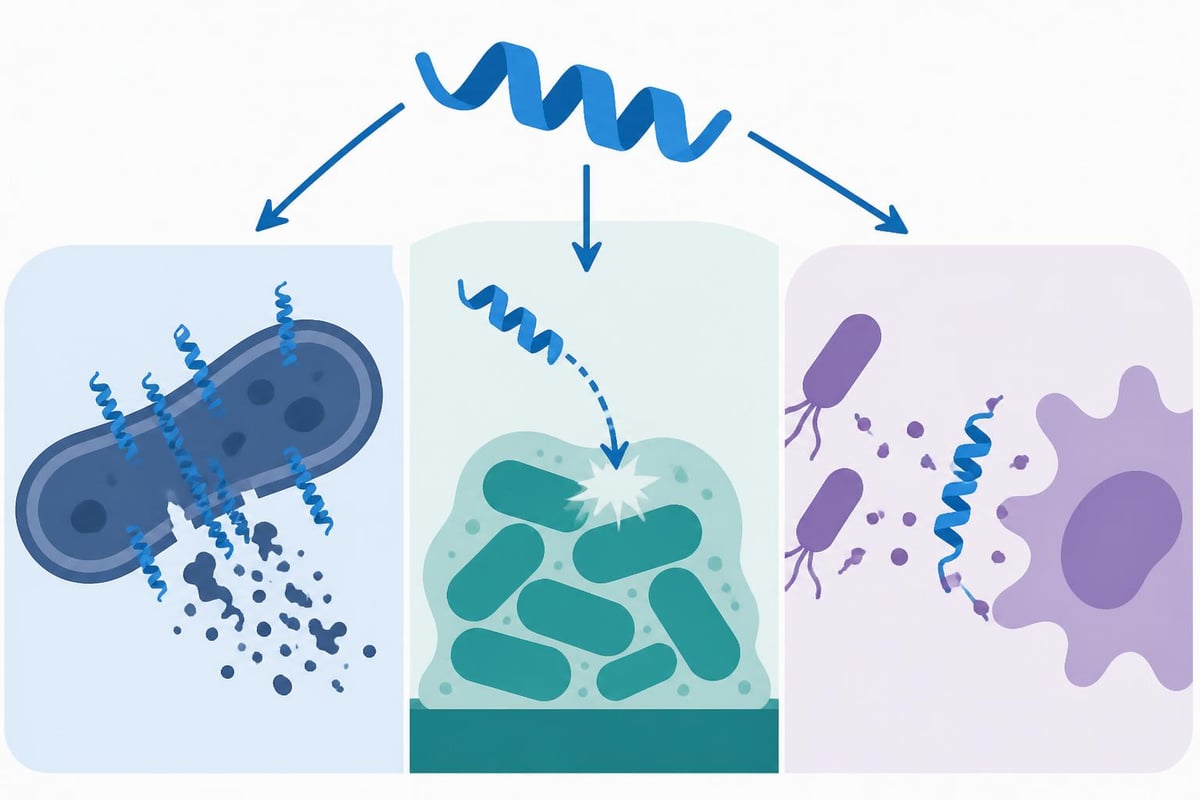
LL-37 demonstrates broad-spectrum antimicrobial activity against bacteria, viruses, fungi, and even certain parasites. The peptide achieves this through multiple mechanisms that work synergistically to eliminate pathogens. First, the ll37 peptide directly disrupts microbial cell membranes by inserting itself into the lipid bilayer, creating pores that compromise cellular integrity and lead to pathogen death.
Beyond direct membrane disruption, LL-37 binds to lipopolysaccharides and lipoteichoic acids on bacterial surfaces, neutralizing these inflammatory molecules while simultaneously preventing bacterial adhesion to host tissues. Research has demonstrated that LL-37 derivatives work effectively against Staphylococcus aureus, particularly when combined with conventional antibiotics, offering potential solutions for antibiotic-resistant infections.
The peptide also interferes with bacterial biofilm formation, a critical advantage since biofilms protect pathogens from both immune responses and antibiotic treatments. By preventing biofilm establishment and disrupting existing biofilms, the ll37 peptide enhances the effectiveness of other antimicrobial interventions.
Immune Modulation and Inflammatory Response
While antimicrobial activity represents the most studied aspect of LL-37, the peptide’s immunomodulatory functions prove equally important for maintaining health. The ll37 peptide acts as a bridge between innate and adaptive immunity, influencing immune cell behavior and cytokine production.
Cellular Signaling and Immune Coordination
LL-37 interacts with various cell surface receptors, including formyl peptide receptor-like 1 (FPRL1) and P2X7 receptors, triggering signaling cascades that influence immune cell migration, activation, and function. This interaction allows the peptide to recruit neutrophils, monocytes, and T cells to sites of infection or injury, coordinating a comprehensive immune response.
The peptide modulates cytokine production in a context-dependent manner. In situations where excessive inflammation threatens tissue damage, the ll37 peptide can suppress pro-inflammatory cytokines like TNF-alpha and IL-6. Conversely, when immune activation proves necessary, it enhances the production of chemokines that attract additional immune cells to affected areas.
| Immune Function | LL37 Effect | Clinical Significance |
|---|---|---|
| Neutrophil recruitment | Enhanced chemotaxis | Accelerated pathogen clearance |
| Cytokine regulation | Context-dependent modulation | Balanced inflammatory response |
| Dendritic cell maturation | Promoted activation | Improved adaptive immunity |
| Angiogenesis | Stimulated blood vessel formation | Enhanced tissue repair |
Clinical Applications in Wound Healing
The ll37 peptide has garnered significant attention for its potential in treating chronic wounds, particularly diabetic foot ulcers and other slow-healing injuries. These conditions represent major healthcare challenges, often resisting conventional treatments and leading to serious complications.
Mechanisms of Wound Repair Enhancement
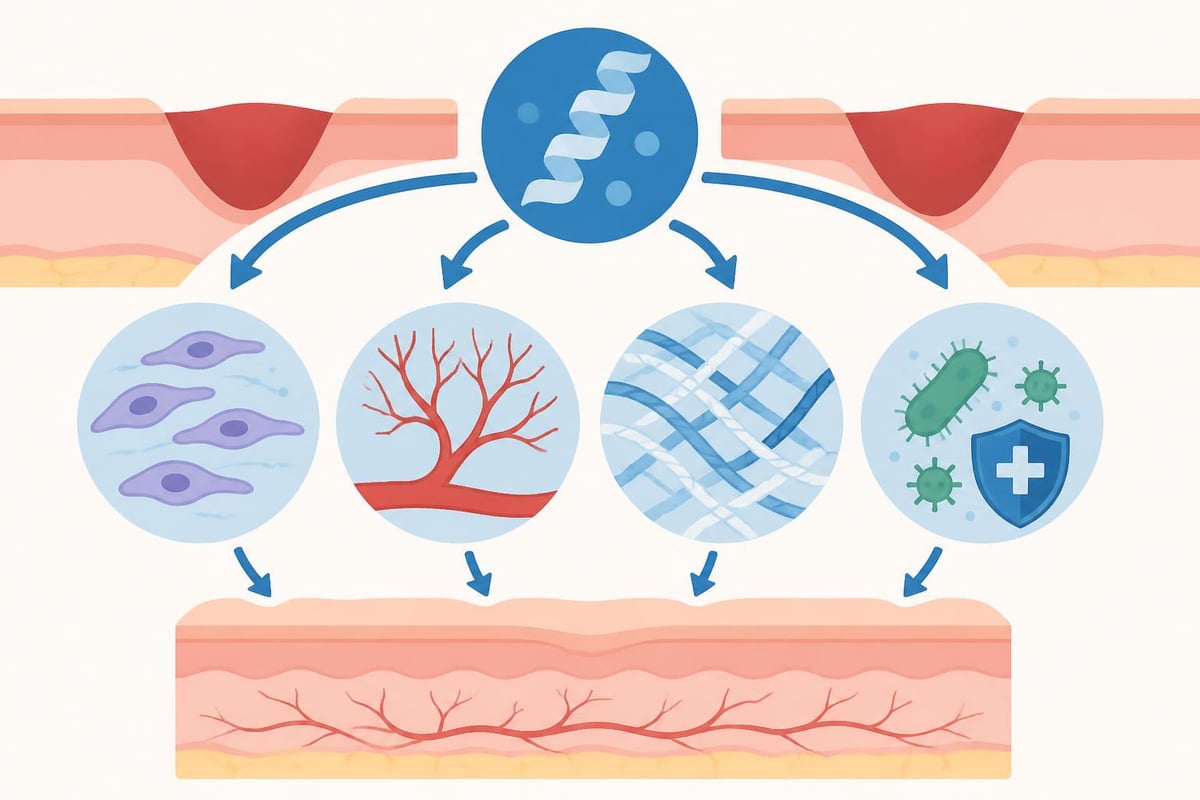
LL-37 promotes wound healing through multiple interconnected pathways. The peptide stimulates keratinocyte migration and proliferation, essential processes for re-epithelialization of wounded tissue. It also promotes angiogenesis by upregulating vascular endothelial growth factor (VEGF) expression, ensuring adequate blood supply to healing tissues.
Clinical evidence supports these mechanisms. A randomized controlled trial demonstrated LL-37 cream’s efficacy in diabetic foot ulcer healing, showing significant improvements in wound closure rates compared to standard care. Patients receiving LL-37 treatment experienced faster healing times and reduced infection rates, highlighting the peptide’s dual benefits of antimicrobial action and tissue regeneration.
The ll37 peptide also modulates the wound environment by influencing matrix metalloproteinases (MMPs), enzymes that degrade extracellular matrix components. In chronic wounds, excessive MMP activity prevents proper healing. LL-37 helps restore balance, allowing for appropriate tissue remodeling while preventing excessive degradation.
- Accelerates keratinocyte migration across wound beds
- Stimulates fibroblast activity for collagen production
- Promotes formation of new blood vessels
- Reduces bacterial colonization in wound sites
- Modulates inflammation to prevent excessive tissue damage
Therapeutic Potential in Inflammatory Conditions
Beyond infectious disease and wound care, the ll37 peptide shows promise for managing various inflammatory conditions. Its ability to modulate immune responses without completely suppressing immunity makes it an attractive therapeutic candidate for conditions where immune balance proves critical.
Skin Conditions and Dermatological Applications
Research indicates that LL-37 levels correlate with several skin conditions, including rosacea, psoriasis, and atopic dermatitis. In rosacea, elevated LL-37 levels contribute to inflammation and vascular changes characteristic of the disease. Conversely, patients with atopic dermatitis often show reduced LL-37 expression, potentially explaining their increased susceptibility to skin infections.
Understanding these relationships opens possibilities for targeted therapies. Topical formulations could either supplement deficient LL-37 in conditions like atopic dermatitis or modulate its activity in conditions characterized by excess production. Similar to how GHK-Cu peptide supports skin health, the ll37 peptide offers potential for addressing multiple dermatological concerns through different mechanisms.
Respiratory and Systemic Applications
The ll37 peptide is naturally present in airway epithelia, where it provides the first line of defense against respiratory pathogens. Research explores its potential for preventing and treating respiratory infections, particularly in individuals with compromised immune function or chronic respiratory conditions.
Studies also investigate LL-37’s role in gastrointestinal health, where it contributes to maintaining intestinal barrier integrity and regulating gut microbiota. The peptide’s ability to selectively target pathogenic bacteria while preserving beneficial microbes suggests applications in managing inflammatory bowel diseases and maintaining digestive health.
Factors Affecting LL37 Production and Activity
Several factors influence natural LL-37 production and function in the body, affecting individual susceptibility to infections and inflammatory conditions. Understanding these factors helps identify strategies for optimizing the peptide’s protective effects.
Nutritional and Environmental Influences
Vitamin D plays a crucial role in regulating LL-37 expression. The active form of vitamin D, calcitriol, binds to vitamin D receptors in immune cells and epithelial tissues, directly upregulating the gene encoding for hCAP18. This connection explains, in part, why vitamin D deficiency correlates with increased infection susceptibility.
Key factors that enhance LL37 production:
- Adequate vitamin D status through sun exposure or supplementation
- Sufficient protein intake providing amino acid building blocks
- Zinc availability supporting immune cell function
- Omega-3 fatty acids promoting healthy inflammatory responses
- Regular exercise stimulating immune system activity
Environmental stressors, including chronic inflammation, oxidative stress, and exposure to certain medications, can disrupt normal LL-37 production. Corticosteroids, for instance, may suppress peptide expression, potentially explaining why long-term steroid use increases infection risk.
Research Directions and Future Applications
The ll37 peptide continues to attract research attention across multiple therapeutic areas. Scientists are developing synthetic analogs with enhanced stability, reduced potential for resistance development, and optimized activity profiles for specific applications.
Peptide Engineering and Optimization
Researchers are creating modified versions of the ll37 peptide that maintain antimicrobial and immunomodulatory properties while addressing limitations of the natural peptide. These modifications aim to improve stability against proteolytic degradation, reduce potential cytotoxicity at high concentrations, and enhance delivery to target tissues.
Some approaches focus on creating shorter peptide sequences that retain essential functions while offering advantages in manufacturing cost and formulation stability. Others explore conjugating LL-37 with targeting molecules that direct the peptide to specific tissues or cell types, maximizing therapeutic effects while minimizing systemic exposure.
| Research Area | Potential Application | Development Stage |
|---|---|---|
| Antibiotic-resistant infections | Alternative to conventional antibiotics | Clinical trials |
| Chronic wound management | Topical formulations for ulcers | Advanced clinical testing |
| Inflammatory skin diseases | Targeted dermatological treatments | Preclinical development |
| Respiratory infections | Inhalable formulations | Early research |
| Cancer immunotherapy | Immune system activation | Exploratory studies |

Safety Considerations and Biological Balance
While the ll37 peptide offers numerous therapeutic possibilities, maintaining appropriate levels proves essential for optimal health. Both deficiency and excess can create problems, illustrating the importance of balanced immune function.
Potential Concerns with Dysregulation
Excessive LL-37 activity has been implicated in certain autoimmune and inflammatory conditions. In psoriasis, for example, elevated levels contribute to the inflammatory cascade that drives disease progression. Similarly, high LL-37 concentrations in lupus patients correlate with disease activity and certain complications.
These observations underscore the importance of context-dependent effects. The same peptide that protects against infection in healthy tissue may exacerbate inflammation in autoimmune conditions. This complexity requires careful consideration when developing therapeutic applications, emphasizing the need for targeted delivery and appropriate dosing strategies.
For individuals interested in peptide therapies, understanding proper protocols proves essential. Resources like MOTS-C dosage protocols demonstrate the importance of following evidence-based guidelines for peptide administration, principles that apply broadly across different peptide applications.
Integration with Comprehensive Health Strategies
The ll37 peptide functions most effectively as part of a comprehensive approach to immune health and tissue repair. Rather than viewing it as an isolated intervention, optimal results emerge when peptide therapy complements fundamental health practices.
Supporting natural LL-37 production through lifestyle modifications provides a foundation for immune function. Maintaining adequate vitamin D levels, consuming sufficient protein and micronutrients, managing stress, and prioritizing sleep all contribute to healthy peptide expression. When therapeutic supplementation becomes necessary, these foundational practices enhance effectiveness and support sustained benefits.
The peptide landscape continues expanding, with companies like Pure Peptide offering access to various peptide formulations designed for specific health goals. Understanding how different peptides work, including the ll37 peptide’s unique mechanisms, helps individuals and healthcare providers make informed decisions about peptide therapy integration into health optimization protocols.
The ll37 peptide represents a powerful example of how the body’s natural defense mechanisms can inspire therapeutic innovations for infection control, wound healing, and immune modulation. As research continues revealing new applications and optimized formulations, this antimicrobial peptide stands poised to address some of modern medicine’s most challenging problems. Pure Peptide supports individuals seeking to leverage cutting-edge peptide science through premium-quality products backed by rigorous purity standards and comprehensive educational resources. Visit Pure Peptide to explore how advanced peptide formulations can support your health optimization journey with confidence in product quality and efficacy.