
The pharmaceutical industry has witnessed remarkable advances in peptide modification technologies, with Drug Affinity Complex (DAC) representing one of the most significant innovations in recent years. This modification technique has revolutionized how peptides function in the body, offering extended duration of action and improved therapeutic outcomes. For researchers and individuals exploring peptide therapy options in 2026, understanding the dac peptide modification becomes essential when evaluating treatment protocols and expected results. This comprehensive guide explores the science behind DAC technology, its applications, and why it matters for those seeking optimal peptide efficacy.
What Is DAC and How Does It Work
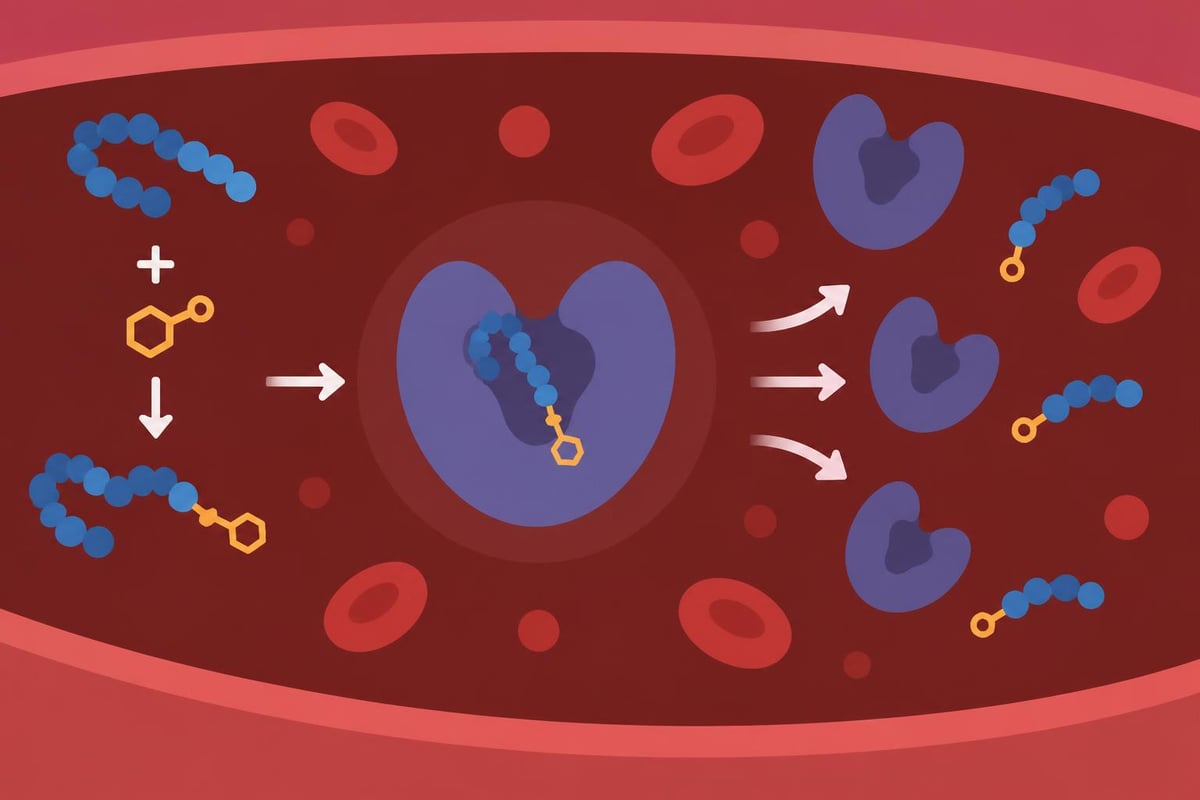
The dac peptide modification refers to a specific molecular alteration that fundamentally changes how peptides behave in biological systems. Drug Affinity Complex technology involves attaching a specialized chemical compound to the peptide structure, which enables it to bind with albumin proteins circulating in the bloodstream.
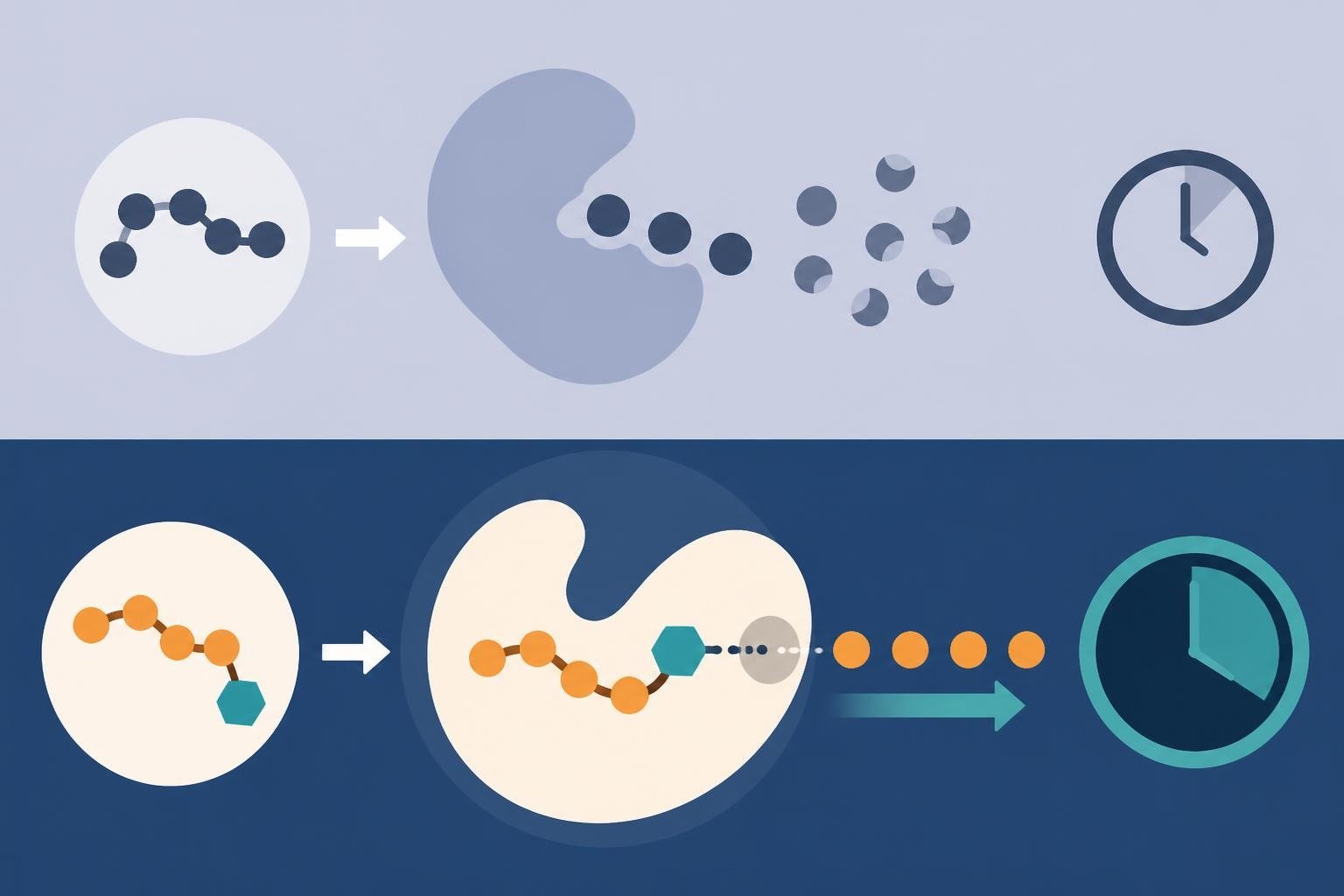
This binding mechanism serves a critical protective function. When a peptide molecule connects with albumin, it creates a reservoir effect that shields the peptide from rapid degradation and clearance. The result is a dramatic extension of the peptide’s half-life, often transforming a compound that would normally remain active for minutes into one that maintains therapeutic levels for several days.
The Science Behind Extended Half-Life
Standard peptides without DAC modification typically undergo rapid enzymatic breakdown and kidney filtration. The body’s natural defense systems identify these foreign molecules and quickly remove them from circulation. This rapid clearance necessitates frequent administration schedules, often requiring multiple daily injections.
Key mechanisms of DAC action include:
- Reversible binding to serum albumin proteins
- Protection from proteolytic enzyme degradation
- Reduced renal filtration and clearance
- Gradual release from albumin binding sites
- Extended therapeutic window of 5-7 days
The modification process involves conjugating a reactive chemical group that specifically recognizes and binds to albumin. This attachment occurs at specific binding sites on the albumin molecule, creating a dynamic equilibrium where peptides continuously attach and detach, maintaining steady therapeutic concentrations.
CJC-1295 With DAC: The Primary Application
The most well-known application of dac peptide technology appears in CJC-1295 with DAC, a modified growth hormone-releasing hormone (GHRH) analog. This compound represents the gold standard for understanding how DAC modifications translate to clinical benefits.
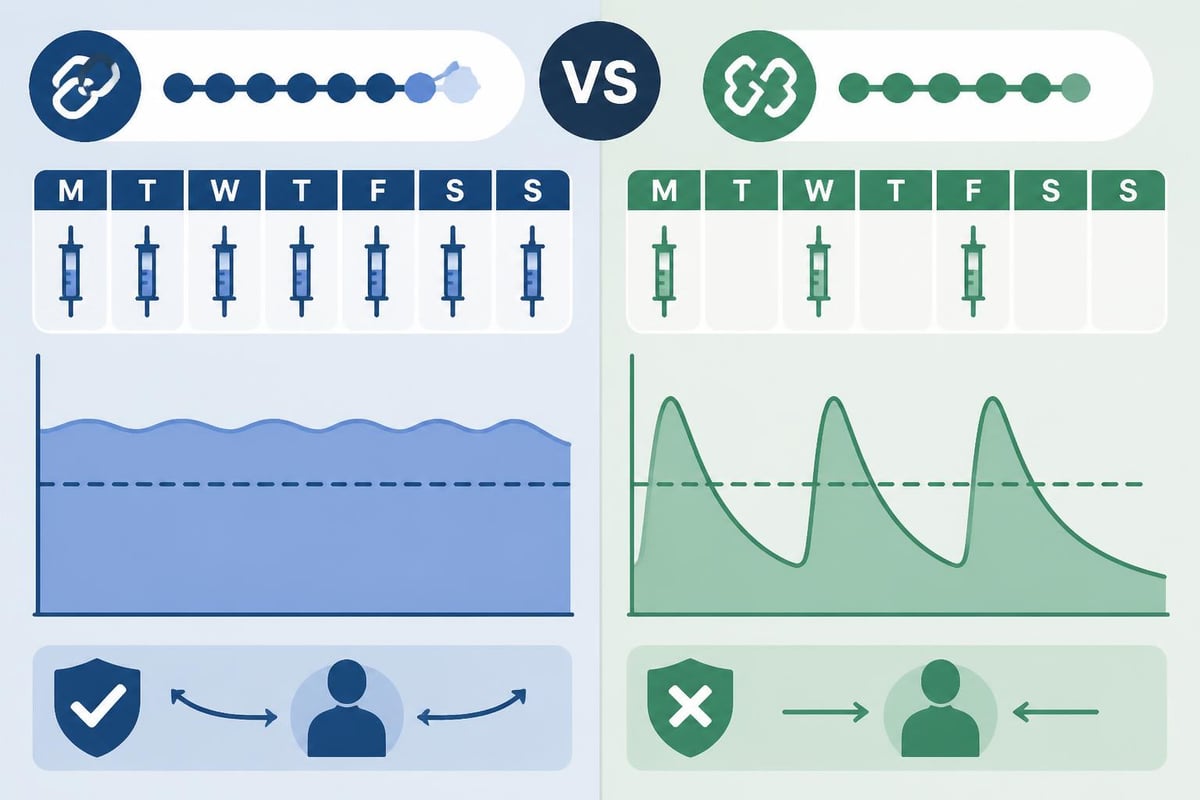
CJC-1295 DAC was specifically engineered to address the limitations of earlier GHRH analogs that required frequent dosing. The addition of DAC extended the half-life from approximately 30 minutes to nearly one week, fundamentally changing the administration protocol and patient compliance profile.
Comparing DAC and Non-DAC Versions
| Feature | CJC-1295 with DAC | CJC-1295 without DAC |
|---|---|---|
| Half-life | 6-8 days | 30 minutes |
| Dosing frequency | Once or twice weekly | Multiple daily doses |
| GH release pattern | Sustained baseline elevation | Pulsatile spikes |
| Albumin binding | Yes | No |
| Research applications | Long-term studies | Short-term protocols |
The distinct characteristics of CJC-1295 formulations make each version suitable for different research applications and therapeutic goals. Those seeking sustained growth hormone elevation typically prefer the DAC version, while protocols requiring pulsatile release patterns may utilize the non-DAC variant.
Pure Peptide offers both formulations, allowing researchers and individuals to select the most appropriate option for their specific needs. Understanding these differences becomes crucial when designing protocols or evaluating expected outcomes.
Benefits of DAC Peptide Modification
The incorporation of DAC technology into peptide structures delivers several distinct advantages that extend beyond simple convenience. These benefits influence both the practical aspects of peptide use and the biological outcomes achieved.
Enhanced Convenience and Compliance
Reduced injection frequency represents perhaps the most immediately apparent benefit. Moving from daily or multiple-daily injections to once or twice weekly administration significantly improves adherence to protocols. This convenience factor proves especially valuable for long-term applications where sustained consistency determines success.
Practical advantages include:
- Fewer injection site reactions and tissue trauma
- Reduced supply and storage requirements
- Simplified protocol management
- Lower overall cost per week of treatment
- Improved long-term sustainability
The extended-release properties also mean more stable blood levels without the peaks and valleys characteristic of short-acting compounds. This stability can translate to more consistent physiological responses and potentially fewer side effects related to concentration fluctuations.
Sustained Physiological Effects
Beyond convenience, dac peptide modifications create fundamentally different biological response patterns. The continuous, moderate elevation of growth hormone levels mimics natural physiological patterns more closely than dramatic spikes followed by troughs.
This sustained release pattern may offer advantages for:
- Tissue recovery: Continuous growth factor presence supports ongoing repair processes
- Metabolic optimization: Steady hormone levels facilitate consistent fat metabolism and energy utilization
- Muscle protein synthesis: Extended anabolic signaling promotes muscle maintenance and growth
- Anti-aging applications: Consistent cellular support for collagen production and tissue renewal
Research suggests that the pattern of hormone release may matter as much as the total amount released. The dac peptide approach provides a distinct release profile that differs significantly from both endogenous pulsatile secretion and short-acting exogenous administration.
Research Applications and Protocols
The unique properties of dac peptide compounds have opened new possibilities in peptide research and application. Scientists and practitioners continue to explore optimal protocols that leverage the extended half-life while maximizing desired outcomes.
Dosing Considerations
Typical research protocols for CJC-1295 with DAC utilize significantly different dosing schedules compared to non-DAC variants. Most studies employ dosing ranges between 1-2 mg per administration, delivered once or twice weekly.
| Protocol Type | Typical Dose | Frequency | Duration |
|---|---|---|---|
| Conservative | 1 mg | Once weekly | 8-12 weeks |
| Moderate | 1-2 mg | Twice weekly | 8-16 weeks |
| Intensive | 2 mg | Twice weekly | 12-24 weeks |
Individual response varies considerably based on factors including age, baseline hormone levels, body composition, and concurrent lifestyle factors. The molecular composition and mechanism of DAC-modified peptides require careful consideration when designing protocols.
Starting with conservative dosing allows for assessment of individual tolerance and response. Many researchers recommend a graduated approach, beginning at lower doses and increasing based on observed effects and absence of adverse responses.
Combination Strategies
While dac peptide compounds offer powerful standalone effects, many protocols incorporate complementary peptides to achieve synergistic benefits. The sustained growth hormone-releasing effect of CJC-1295 DAC pairs effectively with compounds that target different pathways.
Common combination approaches include:
- Growth hormone secretagogues: Pairing DAC compounds with non-DAC pulsatile releasers for both sustained and peak stimulation
- Recovery peptides: Combining with compounds like BPC-157 or TB-500 for enhanced tissue repair
- Metabolic modulators: Integrating peptides that support fat metabolism and insulin sensitivity
- Anti-aging compounds: Adding collagen-supporting or mitochondrial peptides for comprehensive cellular support
Those exploring combination protocols should consult Pure Peptide’s FAQ for guidance on compatible compounds and proper administration techniques. Understanding interaction potential and optimal timing becomes crucial for maximizing benefits while minimizing risks.
Safety Profile and Considerations
The safety profile of dac peptide modifications has been extensively studied since their development in the early 2000s. While generally well-tolerated, understanding potential considerations helps ensure optimal outcomes and appropriate use.
Common Response Patterns
Most individuals using DAC-modified peptides report minimal adverse effects, particularly when following conservative dosing protocols. The most frequently observed responses include temporary water retention, mild joint discomfort, and occasional changes in glucose metabolism.
Typical response timeline:
- Days 1-3: Initial introduction with minimal noticeable effects
- Week 1-2: Possible mild water retention or joint sensation
- Weeks 2-4: Adaptation period with stabilization of initial responses
- Weeks 4+: Steady-state effects with progressive benefits emerging
The extended half-life of dac peptide compounds means that effects accumulate gradually rather than appearing immediately. This slower onset differs markedly from short-acting peptides but provides more stable and sustainable results over time.
Monitoring and Assessment
Regular monitoring helps ensure protocols remain within safe parameters and achieve desired outcomes. Key markers to track include fasting glucose levels, insulin-like growth factor 1 (IGF-1) concentrations, and subjective measures of recovery, sleep quality, and body composition changes.
Research applications emphasize the importance of baseline testing before initiating protocols and periodic reassessment throughout treatment periods. This data-driven approach allows for protocol adjustments based on individual response patterns rather than generic recommendations.

Quality and Purity Standards
The effectiveness of any dac peptide depends fundamentally on its purity and manufacturing quality. Variations in synthesis methods, storage conditions, and handling can significantly impact both safety and efficacy.
Manufacturing Excellence
Premium peptide suppliers employ rigorous purification methods to achieve purity levels exceeding 98%. This high purity ensures that each dose contains the intended active compound without significant contaminants or degradation products that could trigger immune responses or reduce effectiveness.
Advanced manufacturing processes include:
- Multiple-stage chromatography: Sequential purification steps to remove impurities
- Lyophilization: Freeze-drying processes that preserve stability
- Sterile filtration: Removal of bacterial and particulate contaminants
- Analytical verification: HPLC and mass spectrometry testing of each batch
Pure Peptide’s certificate of analysis program provides transparent documentation of purity testing results, giving researchers and users confidence in product quality. This commitment to quality control distinguishes premium suppliers from lower-tier sources that may compromise on testing and verification.
Storage and Handling
Even the highest-quality dac peptide loses potency if improperly stored. Lyophilized (freeze-dried) peptides remain stable at room temperature for short periods but require refrigeration for extended storage. Once reconstituted with bacteriostatic water, peptides must be refrigerated and used within recommended timeframes.
Optimal storage guidelines:
- Unreconstituted: Store at 2-8°C (refrigerated) or -20°C (frozen) for maximum stability
- Reconstituted: Keep refrigerated at 2-8°C and use within 30 days
- Avoid: Repeated freeze-thaw cycles, direct sunlight, and temperature fluctuations
- Transport: Use insulated containers with ice packs when shipping
Following proper storage protocols ensures that the dac peptide maintains its structural integrity and biological activity throughout its intended use period. Degraded peptides not only lose effectiveness but may also produce unexpected responses.
Comparing DAC to Other Half-Life Extension Technologies
While DAC represents one of the most successful peptide modification strategies, other technologies have emerged seeking to achieve similar benefits through different mechanisms. Understanding these alternatives provides context for why dac peptide modifications remain among the most widely used approaches.
Alternative Modification Strategies
Several competing technologies attempt to extend peptide half-life through various molecular modifications:
| Technology | Mechanism | Half-life Extension | Advantages | Limitations |
|---|---|---|---|---|
| DAC | Albumin binding | 6-8 days | Proven efficacy, reversible binding | Requires albumin presence |
| PEGylation | Polymer attachment | 3-7 days | Broad applicability | Potential immunogenicity |
| Fc fusion | Antibody fragment | 10-14 days | Very long duration | Complex manufacturing |
| Acylation | Fatty acid chains | 2-4 days | Simple modification | Moderate extension |
Each approach offers distinct trade-offs between complexity, cost, duration of action, and biological compatibility. The detailed research on CJC-1295 DAC demonstrates why this specific modification has achieved such widespread adoption despite the availability of alternatives.
Why DAC Remains Preferred
The dac peptide modification achieves an optimal balance of extended duration without excessive complexity or cost. The reversible nature of albumin binding means the body can gradually clear the compound without accumulation concerns, while the 6-8 day half-life provides convenient weekly dosing without requiring the ultra-long durations of some alternatives.
Additionally, the extensive research history spanning over two decades provides confidence in the safety profile and expected outcomes. Newer technologies lack this depth of long-term data, making DAC modifications the conservative choice for those prioritizing proven performance.
Integration Into Comprehensive Wellness Programs
Understanding dac peptide technology represents just one component of a successful approach to optimization. The most effective protocols integrate peptide therapy within broader lifestyle frameworks that address nutrition, exercise, sleep, and stress management.
Synergistic Lifestyle Factors
The benefits of dac peptide use amplify considerably when combined with supportive lifestyle practices. Growth hormone and growth factor optimization occurs within a complex biological system influenced by numerous variables.
Key complementary practices include:
- Resistance training: Mechanical stress on muscles creates demand for growth and repair
- Quality sleep: Natural growth hormone pulses occur during deep sleep stages
- Protein intake: Adequate amino acid availability supports protein synthesis
- Stress management: Cortisol elevation can counteract anabolic processes
- Hydration: Cellular function and nutrient transport depend on proper hydration
Those seeking maximum benefit from Pure Peptide’s product range should view peptide protocols as enhancement tools rather than standalone solutions. The synergy between exogenous peptide support and optimized lifestyle factors produces outcomes exceeding either approach alone.
Tracking Progress and Adjustments
Systematic assessment enables protocol refinement based on individual response rather than generic recommendations. Establishing clear metrics before beginning dac peptide protocols provides objective data for evaluating effectiveness.
Useful tracking measures include:
- Body composition: Regular DEXA scans or bioimpedance measurements
- Performance markers: Strength levels, endurance capacity, recovery time
- Biochemical indicators: IGF-1, glucose, lipid panels
- Subjective assessments: Sleep quality, energy levels, mood stability
- Physical measurements: Skin quality, hair thickness, joint comfort
This data-driven approach allows for informed decisions about dose adjustments, protocol duration, and integration of complementary interventions. For specific guidance on tracking and adjustment strategies, researchers can explore Pure Peptide’s blog for detailed protocols and case studies.
Future Developments in DAC Technology
The field of peptide modification continues evolving rapidly, with ongoing research exploring refinements to existing dac peptide technology and development of next-generation approaches. Staying informed about emerging developments helps individuals make educated decisions about current and future protocols.
Current Research Directions
Scientists continue investigating ways to optimize DAC modifications for improved efficacy, reduced side effects, and broader applications. Recent studies explore variations in the DAC molecule itself, alternative attachment points on peptide structures, and combinations of multiple modification technologies.
Promising research areas include:
- Site-specific DAC attachment for improved binding characteristics
- Hybrid modifications combining DAC with other half-life extension methods
- Tissue-specific targeting through modified albumin binding profiles
- Controlled-release formulations providing even more sustained delivery
- Novel peptide sequences designed specifically to leverage DAC advantages
These developments may eventually produce enhanced versions of current dac peptide compounds, offering improved convenience, efficacy, or safety profiles. However, the proven track record of existing formulations like CJC-1295 with DAC ensures their continued relevance even as new options emerge.
Regulatory Landscape Evolution
The regulatory environment surrounding peptide compounds continues developing as authorities work to balance innovation access with safety oversight. Understanding current regulations and anticipated changes helps researchers and individuals navigate the landscape responsibly.
As of 2026, most peptide compounds including dac peptide formulations exist in a gray regulatory area, available for research purposes but not approved for specific therapeutic claims. This status requires individuals to work with knowledgeable suppliers who prioritize quality and transparency while operating within legal frameworks.
The dac peptide modification represents a significant advancement in making peptide therapy more practical and effective through extended half-life and improved convenience. Understanding how DAC technology works, its applications in compounds like CJC-1295, and proper implementation protocols empowers informed decision-making about peptide use. When you’re ready to explore premium-quality peptides backed by rigorous testing and transparent quality standards, Pure Peptide offers the compounds and support needed to pursue your optimization goals with confidence.