
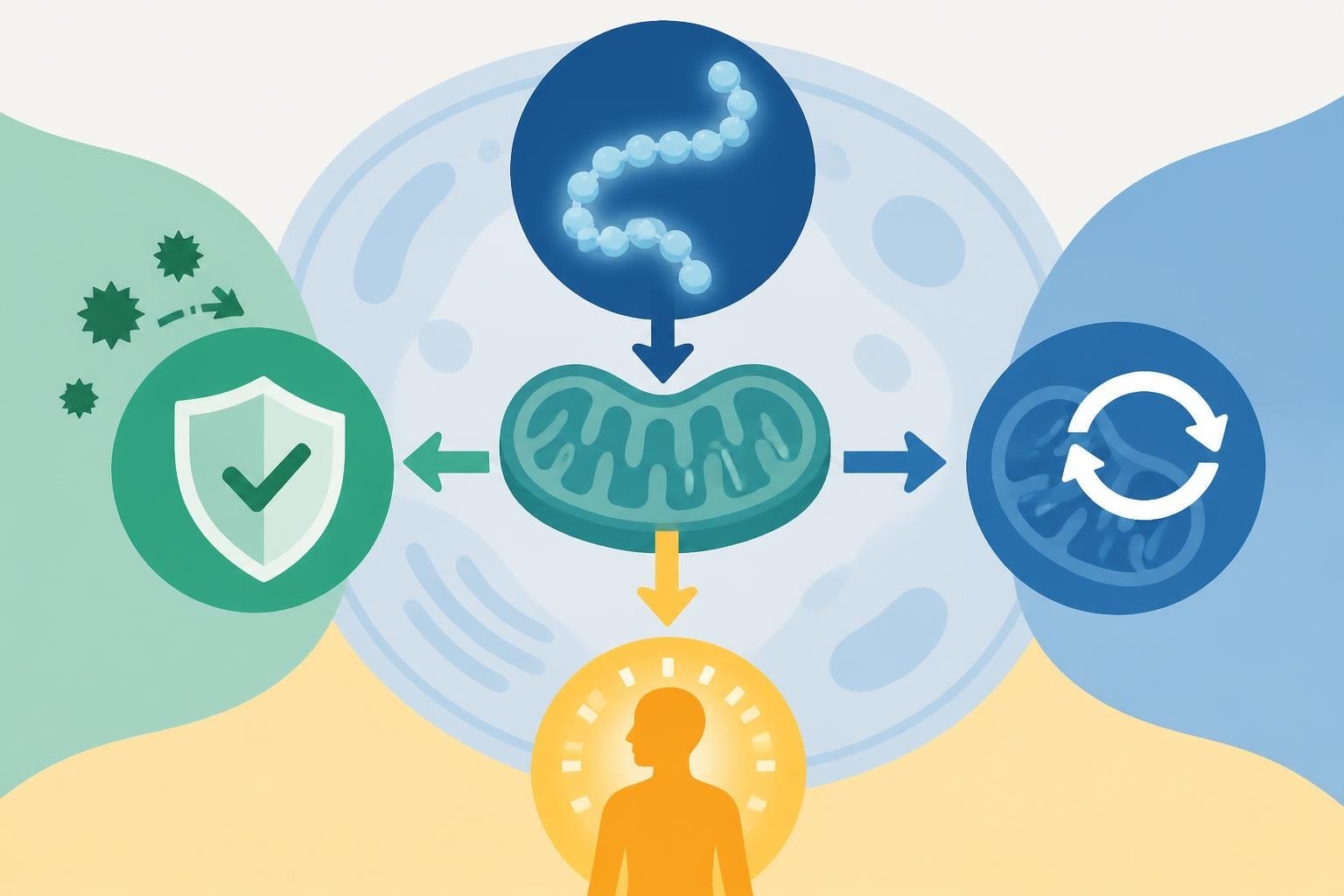

The emerging field of mitochondrial-derived peptides has revealed remarkable compounds that challenge conventional understanding of cellular biology and aging. Among these discoveries, humanin peptide stands out as a unique molecule with profound implications for human health, longevity, and disease prevention. Originally identified in 2001 from a cDNA library of surviving neurons in Alzheimer’s disease patients, this naturally occurring peptide has since captured the attention of researchers worldwide for its protective properties and potential therapeutic applications.
Understanding Humanin Peptide Structure and Discovery
Humanin peptide consists of 24 amino acids encoded by a small open reading frame within the mitochondrial genome. This classification as a mitochondrial-derived peptide makes humanin unique in its biological origins and function. Unlike traditional proteins synthesized from nuclear DNA, this peptide represents a distinct class of signaling molecules that bridge mitochondrial function with cellular health.
The discovery process began when scientists searched for neuroprotective factors that might explain why certain neurons survived despite the degenerative processes of Alzheimer’s disease. What they found revolutionized understanding of mitochondrial communication. The peptide demonstrated remarkable ability to protect cells from various forms of stress, including oxidative damage, inflammatory signals, and apoptotic triggers.
Chemical Properties and Variants
The standard humanin peptide sequence contains specific amino acid arrangements that determine its biological activity. Research has identified several naturally occurring variants, including HNG (humanin with a glycine substitution) that exhibits enhanced potency compared to the wild-type form. According to comprehensive research from 255 published studies, these variants display different binding affinities and cellular responses.
Key structural characteristics include:
- Molecular weight of approximately 2.7 kilodaltons
- Amphipathic helix formation enabling membrane interaction
- Specific receptor binding domains
- Resistance to certain proteolytic degradation
- Multiple analog variants with varied potencies
The peptide’s structure allows it to interact with multiple cellular targets, creating a cascade of protective effects throughout different tissue types. This multi-target approach distinguishes humanin from single-pathway interventions and explains its broad therapeutic potential.
Mechanisms of Action and Cellular Signaling
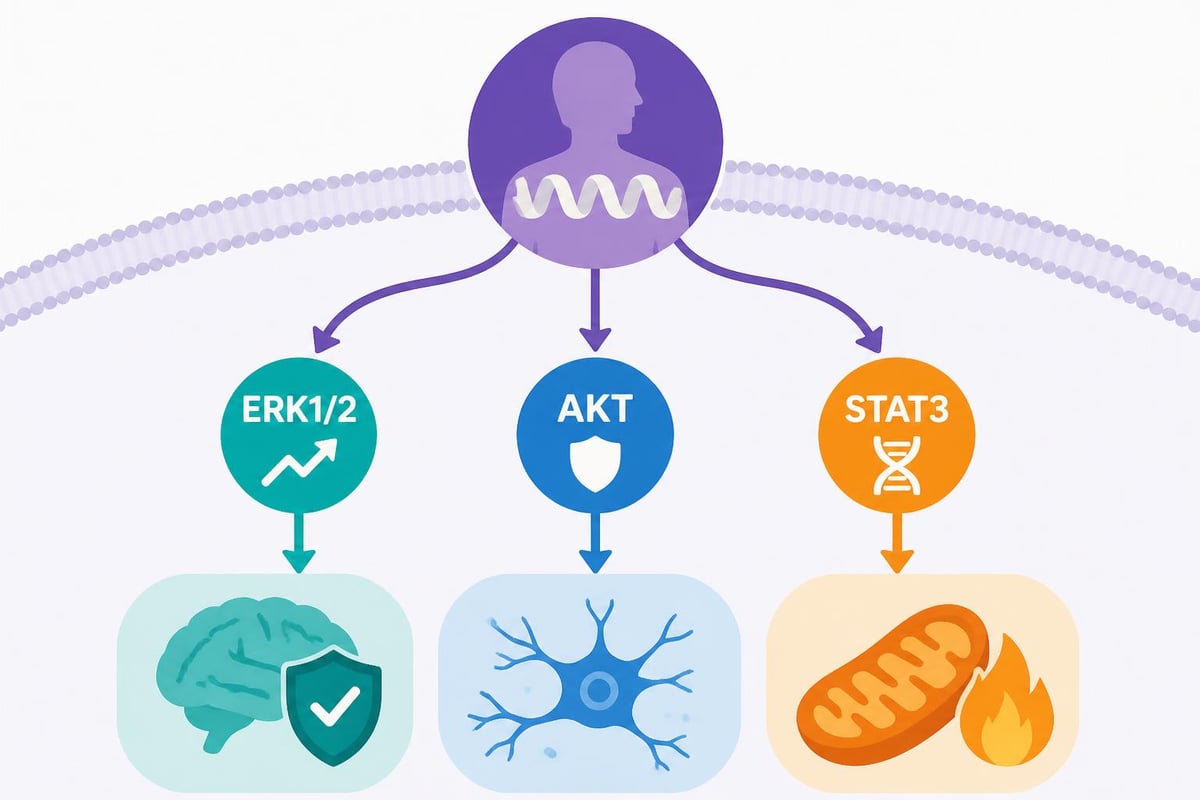
Humanin peptide exerts its effects through multiple interconnected signaling pathways. The molecule binds to several receptor complexes, including the CNTFR-WSX-1-gp130 tripartite receptor and FPRL1/2 receptors. These interactions trigger downstream signaling cascades that fundamentally alter cellular behavior and resistance to stress.
Research demonstrates that humanin activates the ERK1/2, AKT, and STAT3 signaling pathways, with age-dependent differences in hippocampal signaling that may explain varying responses across different life stages. The AKT pathway activation provides particularly strong anti-apoptotic effects, preventing programmed cell death under conditions that would normally trigger cellular suicide.
Cytoprotective Functions
The peptide’s protective mechanisms operate at multiple levels within cells. Mitochondrial function improves through enhanced electron transport chain efficiency and reduced reactive oxygen species generation. This creates a positive feedback loop where healthier mitochondria produce more protective signals, including additional humanin peptide.
| Protective Mechanism | Primary Target | Observed Effect |
|---|---|---|
| Anti-apoptotic signaling | BAD protein inactivation | Cell survival enhancement |
| Oxidative stress reduction | Mitochondrial ROS | Decreased cellular damage |
| Inflammatory modulation | Cytokine expression | Reduced inflammation markers |
| Metabolic optimization | Insulin sensitivity | Improved glucose utilization |
These overlapping protective functions explain why humanin demonstrates efficacy across diverse pathological conditions. The peptide doesn’t simply address one aspect of cellular dysfunction but instead orchestrates comprehensive protective responses.
Applications in Longevity and Aging Research
Perhaps the most compelling evidence for humanin peptide’s significance comes from longevity studies. Natural selection in mitochondrial-derived peptides suggests evolutionary pressure has maintained and refined these molecules for survival advantage. Centenarians and their offspring display elevated circulating humanin levels compared to age-matched controls, suggesting a genetic component to longevity that involves this peptide.
The relationship between humanin and aging extends beyond simple correlation. Experimental models demonstrate that supplementation can mimic certain aspects of caloric restriction, a well-established intervention for extending lifespan across multiple species. This includes improvements in metabolic efficiency, reduced inflammation, and enhanced stress resistance.
Metabolic Health and Insulin Sensitivity
Metabolic dysfunction represents a hallmark of aging, and humanin peptide addresses this through multiple mechanisms. The molecule enhances insulin sensitivity by improving glucose transporter function and reducing inflammatory signaling in metabolic tissues. This effect proves particularly relevant for conditions like type 2 diabetes and metabolic syndrome.
Studies show humanin administration improves:
- Glucose uptake in skeletal muscle
- Hepatic insulin sensitivity
- Adipocyte function and adiponectin secretion
- Pancreatic beta-cell survival
- Overall glycemic control markers
These metabolic improvements occur without the side effects commonly associated with pharmaceutical interventions. The peptide works with existing cellular machinery rather than forcing artificial responses, creating sustainable improvements in metabolic function.

Cardiovascular Protection and Disease Prevention
The cardiovascular system benefits significantly from humanin peptide’s protective properties. Humanin’s role in cardiovascular disorders includes protection against ischemia-reperfusion injury, atherosclerosis progression, and cardiac cell death. These effects stem from the peptide’s ability to reduce oxidative stress and inflammation while promoting cellular survival under challenging conditions.
Endothelial cells, which line blood vessels and regulate vascular function, show enhanced survival and improved nitric oxide production when exposed to humanin. This translates to better blood flow, reduced blood pressure, and decreased risk of thrombotic events. The anti-inflammatory effects further protect against atherosclerotic plaque formation and rupture.
Cardiac Muscle Protection
Heart muscle cells face unique challenges due to high metabolic demands and limited regenerative capacity. Humanin peptide provides specific protection against cardiac cell death following myocardial infarction or during chronic heart failure. The mechanism involves preserving mitochondrial function during oxygen deprivation and reducing calcium overload that typically triggers cell death.
Cardiovascular benefits documented in research:
- Reduced infarct size following heart attack
- Improved cardiac function post-ischemic injury
- Enhanced survival of cardiac progenitor cells
- Decreased inflammatory cytokine production
- Protection of endothelial barrier function
These protective effects position humanin as a potential therapeutic agent for both acute cardiovascular events and chronic cardiovascular disease management. The multi-faceted protection addresses root causes rather than merely treating symptoms.
Neuroprotection and Cognitive Function
Given its original discovery in Alzheimer’s research, humanin peptide’s neuroprotective properties have received extensive investigation. The molecule crosses the blood-brain barrier and provides direct protection to neurons against amyloid-beta toxicity, oxidative stress, and excitotoxicity. This makes it relevant for multiple neurodegenerative conditions beyond Alzheimer’s disease.
The peptide’s effects on cognitive function involve both direct neuronal protection and indirect benefits through improved vascular health and reduced inflammation. Synaptic function improves, neuroplasticity increases, and neurogenesis receives enhancement in specific brain regions. These changes translate to better memory formation, processing speed, and overall cognitive performance.
Applications Across Neurodegenerative Conditions
While Alzheimer’s disease research initiated humanin discovery, applications extend to Parkinson’s disease, Huntington’s disease, and amyotrophic lateral sclerosis. Each condition involves mitochondrial dysfunction and oxidative stress, areas where humanin demonstrates clear protective effects.
| Condition | Humanin Effect | Research Status |
|---|---|---|
| Alzheimer’s Disease | Amyloid-beta protection | Extensive preclinical data |
| Parkinson’s Disease | Dopaminergic neuron survival | Animal model validation |
| Stroke Recovery | Reduced brain damage | Promising early studies |
| Traumatic Brain Injury | Neuroprotection | Emerging evidence |
The comprehensive research overview indicates that while preclinical evidence remains strong, human therapeutic trials are still needed to fully establish clinical efficacy. This represents both a limitation and an opportunity for future research development.
Research Applications and Quality Considerations
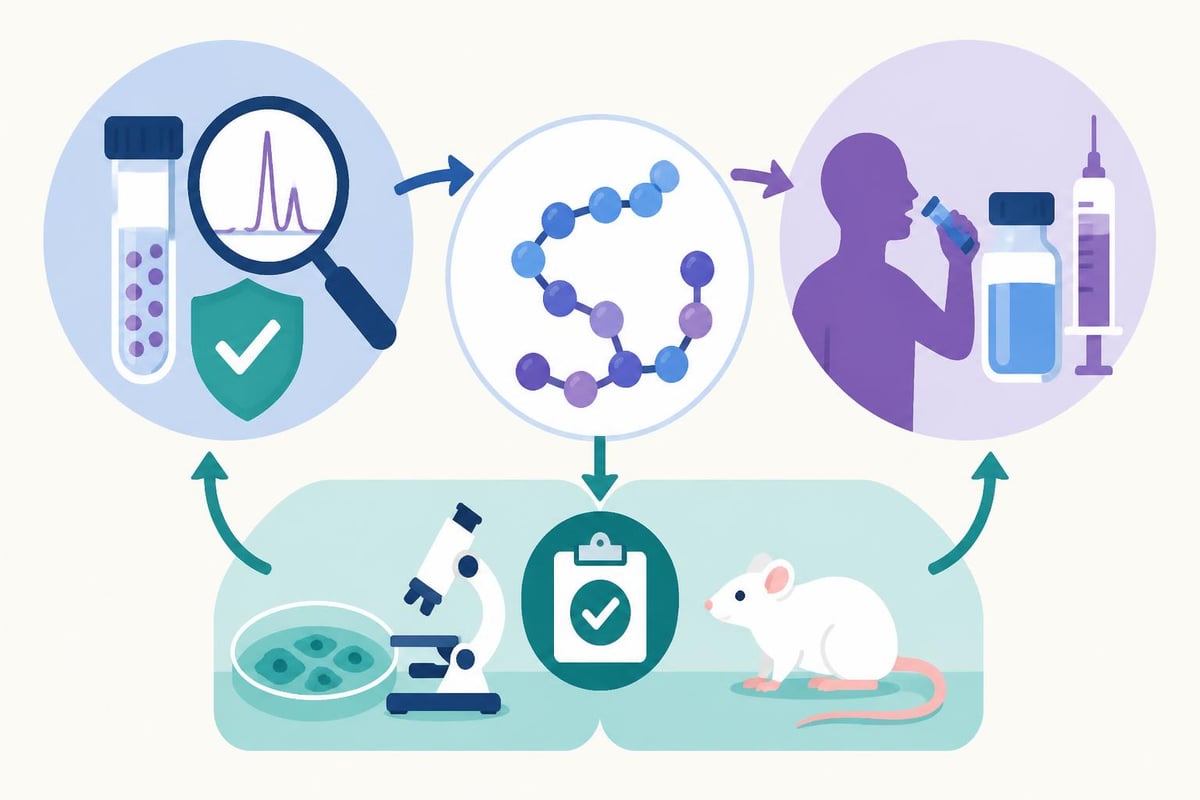
Scientific investigation of humanin peptide requires careful attention to peptide purity, stability, and handling. The molecule’s biological activity depends on proper folding and intact amino acid sequence. Degradation or contamination can significantly impact experimental results and therapeutic potential.
Researchers working with humanin must consider several factors:
- Storage conditions to prevent peptide degradation
- Reconstitution protocols for optimal solubility
- Dosing strategies based on experimental models
- Analytical verification of peptide identity and purity
- Stability testing under various conditions
Pure Peptide ensures these considerations through advanced purification methods and stringent quality control standards, providing researchers with reliable materials for their investigations. The company’s commitment to quality supports reproducible research outcomes and valid scientific conclusions.
Current Research Landscape and Future Directions
The humanin peptide research field continues expanding rapidly. According to current research summaries, the absence of human therapeutic trials represents the primary gap in translating laboratory findings to clinical applications. However, the strong mechanistic understanding and consistent preclinical results create a solid foundation for future clinical development.
Several research priorities have emerged for 2026 and beyond:
- Clinical trial design for specific disease applications
- Bioavailability optimization through analog development
- Combination therapy studies with existing treatments
- Biomarker identification for treatment response prediction
- Long-term safety evaluation in various populations
The development of more potent analogs, such as HNG and synthetic variants, offers potential advantages in therapeutic applications. These modified versions maintain the protective mechanisms while improving pharmacokinetic properties like half-life and tissue penetration.
Integration with Other Mitochondrial-Derived Peptides
Humanin peptide belongs to a larger family of mitochondrial-derived peptides that includes MOTS-c and SHLP1-6. Understanding how these molecules work together provides insights into comprehensive mitochondrial signaling networks. MOTS-c, for example, focuses more on metabolic regulation and exercise response, while humanin emphasizes cytoprotection.
Combination approaches using multiple mitochondrial-derived peptides may offer synergistic benefits. This strategy mirrors the body’s natural use of multiple signaling molecules for complex physiological regulation. Research into optimal combinations and sequencing represents an exciting frontier in peptide therapeutics.
Practical Considerations and Research Protocols
Implementing humanin peptide in research requires attention to practical details that ensure experimental validity. The peptide database information provides guidance on molecular weight, half-life, and dosing considerations for research applications. These parameters vary depending on experimental model, route of administration, and research objectives.
Dosing Strategies in Research Models
Effective dosing depends on multiple variables including species, administration route, and endpoint measurements. Cell culture studies typically use micromolar concentrations, while animal models require careful calculation based on body weight and pharmacokinetic properties.
Common research protocols include:
- In vitro studies: 1-10 μM concentrations for cellular protection assays
- Small animal models: 1-4 mg/kg dosing for systemic effects
- Chronic administration: Daily or alternate-day protocols for long-term studies
- Acute protection: Single high-dose administration before injury models
- Preventive approaches: Low-dose chronic treatment for age-related studies
These protocols continue evolving as researchers refine methodologies and discover optimal administration strategies. Standardization across laboratories remains challenging but essential for comparing results and building cohesive understanding.
Quality Standards and Peptide Sourcing
The reliability of humanin peptide research depends fundamentally on peptide quality. Contamination, degradation, or sequence errors can invalidate experimental results and lead to incorrect conclusions. Reputable suppliers implement multiple quality control measures to ensure peptide integrity.
Critical quality parameters include:
- Purity verification through HPLC analysis exceeding 98%
- Mass spectrometry confirmation of correct molecular weight
- Endotoxin testing to prevent inflammatory artifacts
- Stability assessment under storage conditions
- Batch consistency for reproducible experiments
Pure Peptide’s commitment to quality extends throughout the production process, from synthesis through final product delivery. The comprehensive peptide catalog demonstrates the range of research-grade materials available to support diverse scientific investigations.
Emerging Applications and Novel Research Areas
Beyond established research areas, humanin peptide shows promise in unexpected applications. Cancer research investigates the peptide’s ability to selectively protect normal cells while potentially sensitizing cancer cells to treatment. Reproductive health studies examine humanin’s role in oocyte quality and embryonic development. Exercise physiology explores how the peptide mediates some benefits of physical activity.
These emerging areas reflect humanin’s fundamental role in cellular health and stress resistance. As research tools improve and understanding deepens, additional applications continue emerging. The peptide’s safety profile and broad protective effects make it an attractive candidate for diverse research questions.
Comparative Analysis with Other Protective Peptides
Understanding humanin within the broader context of protective peptides helps researchers select appropriate tools for specific questions. While humanin excels at cytoprotection and anti-aging effects, other peptides offer complementary or alternative approaches.
| Peptide Class | Primary Function | Overlap with Humanin | Distinct Features |
|---|---|---|---|
| Growth factors | Tissue regeneration | Cell survival signaling | Receptor-specific pathways |
| Antioxidant peptides | ROS reduction | Oxidative stress protection | Direct radical scavenging |
| Metabolic peptides | Energy regulation | Insulin sensitivity | Specific metabolic targets |
| Immunomodulatory | Immune function | Anti-inflammatory | Immune cell modulation |
This comparison highlights humanin’s unique position as a multi-functional protective peptide with diverse applications across research disciplines. Its mitochondrial origin and broad signaling effects distinguish it from more specialized peptides.
Humanin peptide represents a breakthrough in understanding cellular protection, longevity, and metabolic health through mitochondrial signaling. The extensive research documenting its cytoprotective, anti-aging, and disease-preventive properties positions this molecule as a valuable tool for scientific investigation and potential therapeutic development. Whether you’re exploring neuroprotection, cardiovascular health, metabolic optimization, or aging research, Pure Peptide provides the premium-quality peptides needed for reliable, reproducible results. With rigorous quality control and advanced purification methods, Pure Peptide supports your research goals with the highest purity peptides available in 2026.