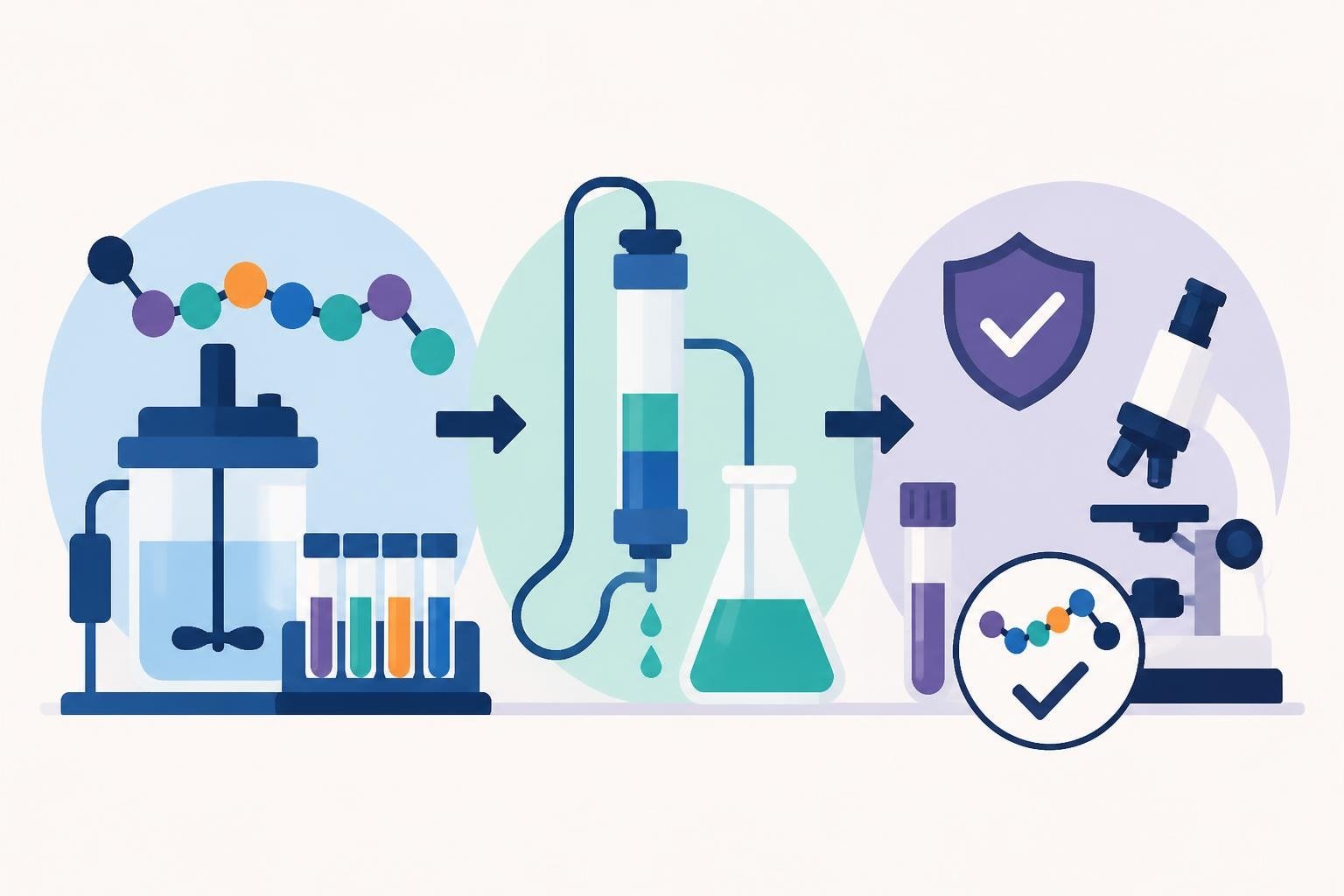

The peptide industry has experienced remarkable growth over the past decade, driven by increasing demand for therapeutic applications ranging from metabolic health to anti-aging interventions. At the core of this expansion are specialized facilities known as peptide labs, where scientific precision meets manufacturing excellence. These laboratories employ sophisticated methodologies to produce peptides that meet stringent quality standards essential for research and therapeutic use. Understanding how peptide labs operate provides valuable insight into the quality, purity, and efficacy of the products consumers ultimately receive.
The Foundation of Modern Peptide Synthesis
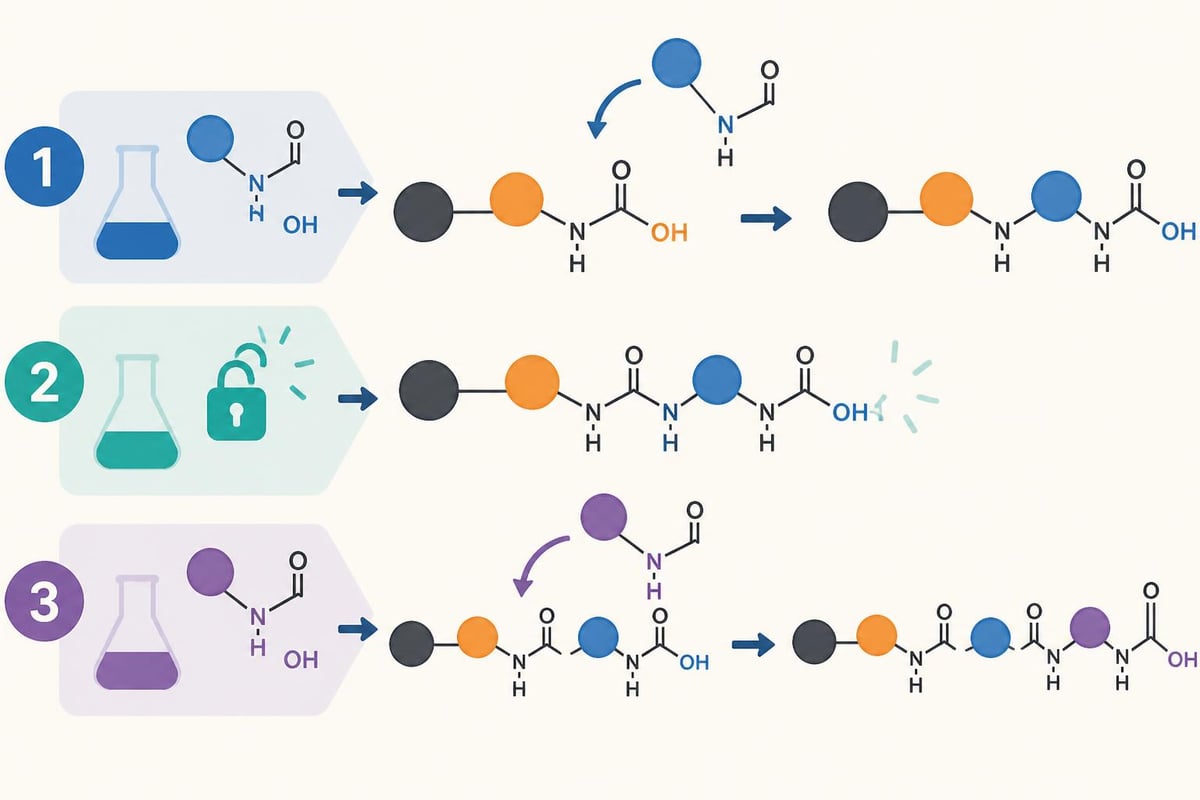
Peptide labs utilize two primary synthesis approaches to manufacture peptides: solid-phase peptide synthesis (SPPS) and liquid-phase synthesis. SPPS has become the industry standard since its development, allowing laboratories to efficiently create peptides by sequentially adding amino acids to a growing chain anchored to a solid resin support. This method offers significant advantages in terms of automation, scalability, and purification efficiency.
Solid-Phase Peptide Synthesis Methodology
The solid-phase synthesis process begins with attaching the first amino acid to a polymer resin. Each subsequent amino acid is then coupled to the growing chain through carefully controlled chemical reactions. Between each coupling step, protecting groups prevent unwanted side reactions, ensuring the peptide sequence forms correctly.
Key advantages of SPPS include:
- Simplified purification between synthesis steps
- Higher automation potential for increased throughput
- Reduced labor requirements compared to solution-phase methods
- Better scalability for commercial production
- Consistent reproducibility across batches
Modern peptide labs have refined these techniques to achieve yields exceeding 95% for many sequences, particularly those under 50 amino acids in length. The process requires precise temperature control, reagent quality, and timing to prevent aggregation or deletion sequences that compromise final product quality.
Advanced Chemical Methods
Beyond traditional SPPS, contemporary peptide labs employ chemical methods for peptide production that include microwave-assisted synthesis, which accelerates reaction times while maintaining product integrity. This technology enables laboratories to produce longer, more complex peptide sequences that were previously challenging to synthesize efficiently.
Liquid-phase synthesis remains valuable for specific applications where peptides require particular solubility characteristics or when producing very large quantities. Some facilities combine both approaches, using solution-phase methods for fragment synthesis before employing solid-phase techniques for final assembly.
Quality Control and Purification Standards
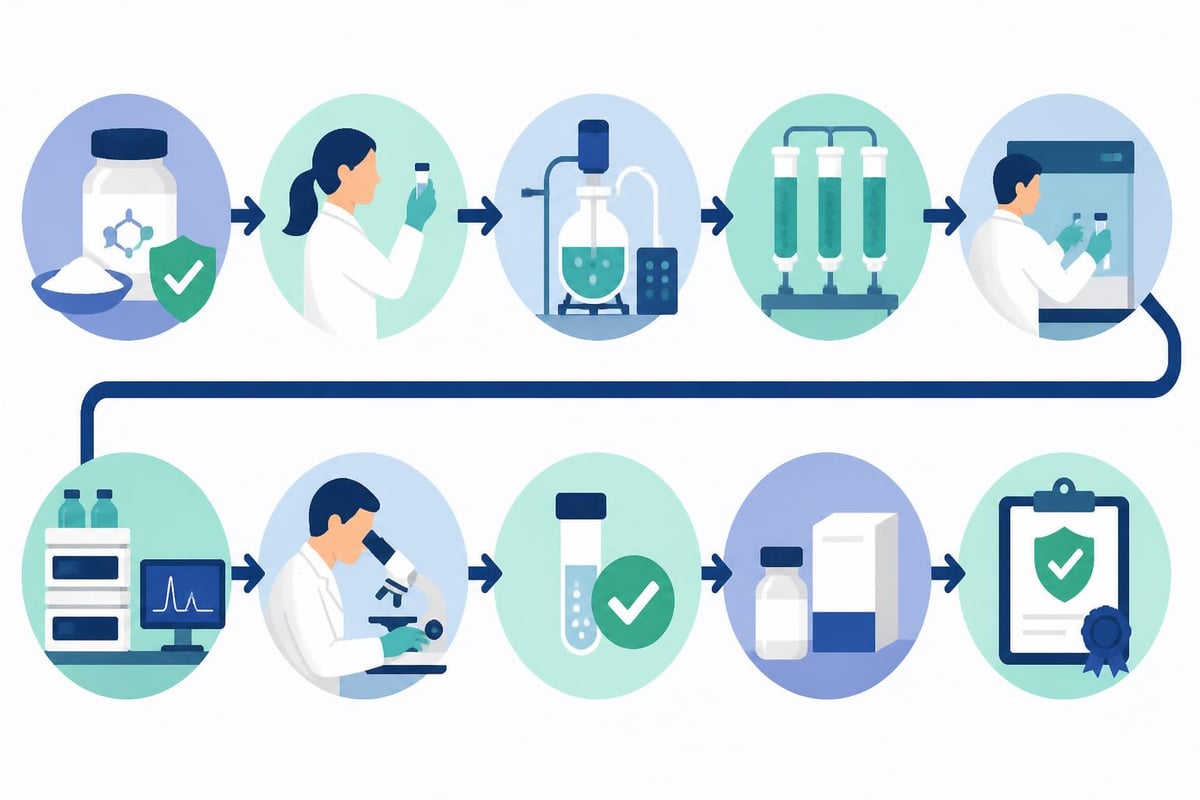
The transition from raw synthesis to pharmaceutical-grade peptides requires rigorous purification and testing protocols. Peptide labs implement multi-stage quality control systems to ensure every batch meets established purity specifications before distribution.
Purification Technologies
High-performance liquid chromatography (HPLC) serves as the cornerstone of peptide purification in professional laboratories. This technique separates the target peptide from truncated sequences, deletion products, and other impurities based on chemical properties.
| Purification Method | Purity Level | Application | Processing Time |
|---|---|---|---|
| Preparative HPLC | 95-98% | Research-grade peptides | 2-4 hours |
| Semi-preparative HPLC | 98-99% | Therapeutic applications | 4-6 hours |
| Analytical HPLC | Quality verification | Testing and validation | 30-60 minutes |
| Ion Exchange | 90-95% | Initial purification | 1-2 hours |
Following HPLC purification, peptide labs employ lyophilization (freeze-drying) to remove solvents and create stable powder formulations. This process requires careful optimization to prevent peptide degradation while achieving the desired stability characteristics for long-term storage.
Testing and Verification Protocols
Quality assurance in peptide labs extends far beyond purification. Each batch undergoes comprehensive analytical testing to verify identity, purity, and potency. Mass spectrometry confirms the exact molecular weight, ensuring the correct amino acid sequence. Amino acid analysis provides quantitative data on peptide content and composition.
Standard testing procedures include:
- High-resolution mass spectrometry (HRMS) for molecular weight confirmation
- HPLC analysis to quantify purity percentage
- Amino acid analysis for sequence verification
- Peptide content determination
- Sterility testing for injectable formulations
- Endotoxin testing to ensure safety
Advanced facilities may also conduct peptide mapping through enzymatic digestion and subsequent analysis, providing additional confidence in sequence accuracy. These comprehensive testing protocols differentiate premium suppliers from laboratories that rely on minimal verification methods.
Manufacturing Environment and Compliance
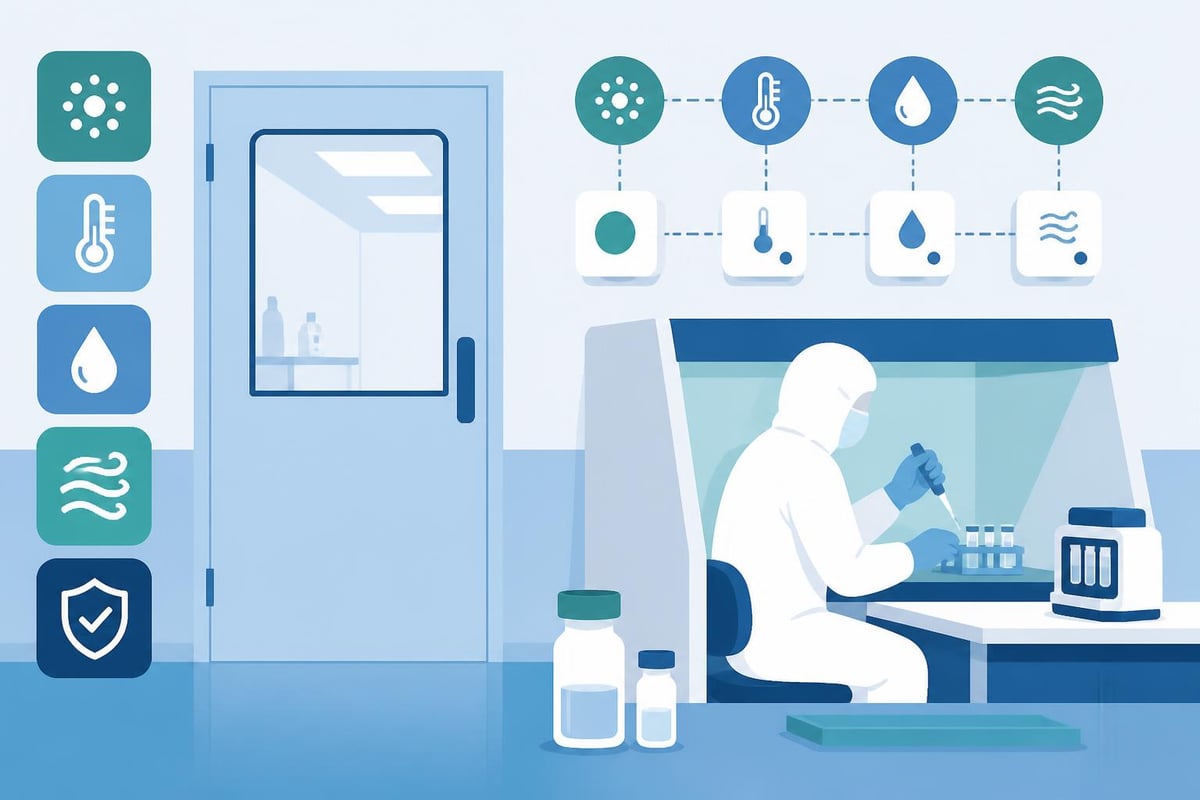
The physical environment where peptide labs operate plays a critical role in product quality. Professional facilities maintain controlled atmospheres with regulated temperature, humidity, and particulate levels to prevent contamination and degradation of sensitive peptide compounds.
Clean Room Classifications
Peptide synthesis and purification typically occur in classified clean rooms ranging from ISO Class 7 (Class 10,000) to ISO Class 5 (Class 100) environments. These classifications indicate the maximum number of particles per cubic meter of air, with lower class numbers representing cleaner conditions.
Personnel working in peptide labs follow strict gowning procedures and hygiene protocols. Regular environmental monitoring ensures the facility maintains appropriate conditions throughout all production stages. Air filtration systems with HEPA filters remove particles and potential contaminants that could compromise peptide purity.
Regulatory Framework
While the regulatory landscape for research peptides differs from pharmaceutical-grade therapeutics, reputable peptide labs voluntarily adopt good manufacturing practices (GMP) principles. These guidelines ensure consistent production quality, proper documentation, and traceability throughout the manufacturing process.
Documentation in professional facilities tracks raw material sources, synthesis parameters, purification conditions, and testing results for every batch. This comprehensive record-keeping enables troubleshooting when issues arise and provides transparency to customers regarding product provenance.
Technological Innovations Shaping Peptide Labs
The peptide industry continues evolving through technological advancement, with laboratories adopting cutting-edge tools to improve efficiency and expand synthetic capabilities. Automation has transformed peptide production, enabling parallel synthesis of multiple sequences and reducing human error in repetitive tasks.
Computational Tools and Peptide Design
Modern peptide labs increasingly leverage computational chemistry to optimize synthesis strategies before beginning physical production. Software platforms predict coupling efficiencies, identify potential aggregation issues, and suggest protecting group strategies for challenging sequences.
Recent developments include tools that convert peptide sequences into chemical SMILES strings, facilitating molecular property predictions and helping laboratories anticipate synthesis challenges. These computational approaches reduce material waste and improve first-time success rates for complex peptides.
Emerging technologies in peptide labs:
- Microwave-assisted synthesis for faster production
- Flow chemistry systems for continuous manufacturing
- Automated purification systems with real-time monitoring
- Machine learning algorithms for yield optimization
- Green chemistry approaches reducing solvent usage
Advanced Analytical Capabilities
Investment in analytical infrastructure distinguishes top-tier peptide labs from basic operations. Ultra-high-performance liquid chromatography (UHPLC) systems provide superior resolution, detecting impurities at levels below 0.1%. Coupled with advanced mass spectrometry, these instruments characterize peptides with unprecedented precision.
Some facilities now employ deep learning frameworks to predict peptide interactions, aiding in quality assessment and helping researchers understand how synthesized peptides will perform in biological systems. This computational validation complements traditional analytical methods, providing additional confidence in product quality.
Specialized Peptide Applications and Custom Synthesis
Beyond standard catalog products, many peptide labs offer custom synthesis services for specialized applications. These capabilities enable researchers and therapeutic developers to access peptides not commercially available through standard channels.
Peptides for Weight Management and Metabolic Health
Laboratories specializing in metabolic peptides focus on compounds that support glucose regulation, appetite control, and energy metabolism. Products like semaglutide and tirzepatide require particular attention during synthesis due to their length and complexity, demanding advanced purification techniques to achieve therapeutic-grade purity.
The synthesis of these longer peptides presents technical challenges that only experienced peptide labs can reliably overcome. Aggregation tendencies during synthesis necessitate specialized coupling reagents and careful monitoring throughout chain assembly.
Growth Factor and Recovery Peptides
Peptide labs producing growth-promoting compounds must ensure both structural integrity and biological activity. Sequences like BPC-157 and TB-500 support tissue repair and recovery processes, making them popular among athletes and individuals focused on injury rehabilitation.
| Peptide Category | Typical Sequence Length | Synthesis Complexity | Purification Challenge |
|---|---|---|---|
| Short Metabolic Peptides | 5-15 amino acids | Low to Medium | Moderate |
| Growth Factors | 15-30 amino acids | Medium to High | High |
| Modified Peptides | Variable | High | Very High |
| Peptide Blends | Multiple sequences | Medium | Complex |
Quality control becomes particularly critical for these applications, as even minor impurities or sequence errors can affect biological activity. Premium peptide labs conduct potency assays beyond standard purity testing to verify functional performance.
Supply Chain and Raw Material Quality
The quality of peptides produced in any laboratory depends fundamentally on the amino acids and reagents used during synthesis. Professional peptide labs source materials from certified suppliers who provide extensive documentation on purity, storage conditions, and testing results.
Amino Acid Sourcing Standards
Protected amino acids serve as the building blocks for peptide synthesis, and their quality directly impacts final product purity. Reputable laboratories require certificates of analysis for every raw material batch, verifying identity and purity specifications before use in production.
Storage conditions for these sensitive materials require careful attention. Many protected amino acids degrade when exposed to moisture or excessive temperatures, necessitating controlled storage environments with desiccation and refrigeration where appropriate.
Reagent Quality and Shelf Life Management
Coupling reagents, deprotection solutions, and other chemicals used throughout synthesis must meet stringent purity standards. Peptide labs implement inventory management systems that track reagent expiration dates and usage history, preventing the use of degraded materials that could compromise product quality.
The comprehensive understanding of synthesis methods employed by professional facilities ensures optimal reagent selection for each specific peptide sequence. This expertise translates directly into higher yields and superior final product quality.
The Future Landscape of Peptide Manufacturing
As we progress through 2026, peptide labs continue adapting to meet growing demand while maintaining the quality standards essential for therapeutic applications. Emerging trends point toward increased automation, enhanced sustainability practices, and expanded synthetic capabilities for increasingly complex peptide structures.
Sustainability Initiatives
Environmental consciousness has prompted leading peptide labs to reevaluate solvent usage and waste management practices. Green chemistry principles guide the selection of less hazardous reagents and the implementation of recycling systems for organic solvents used during synthesis and purification.
Water-based purification systems and reduced organic solvent consumption represent significant advances in making peptide production more environmentally responsible. These changes align with broader pharmaceutical industry trends while maintaining the quality standards customers expect.
Expanding Therapeutic Applications
The therapeutic potential of peptides continues expanding beyond traditional applications. Peptide labs now produce compounds targeting cognitive function, immune modulation, and cellular aging processes. Products like MOTS-C and Epitalon exemplify this diversification, requiring laboratories to develop expertise across multiple biological domains.
Custom formulations and peptide blends represent growing segments, with laboratories combining multiple peptides to create synergistic effects. This trend demands sophisticated formulation capabilities and stability testing to ensure component peptides remain active when combined.
Selecting Quality Peptide Suppliers
Understanding how peptide labs operate empowers consumers to make informed decisions when selecting suppliers. Not all facilities maintain equivalent quality standards, and awareness of manufacturing processes helps identify providers committed to excellence.
Transparency and Documentation
Premium suppliers provide detailed information about their manufacturing processes, testing protocols, and quality standards. Certificates of analysis should accompany every product, documenting purity percentage, peptide content, and analytical testing results specific to each batch.
Traceability systems allow customers to verify the origin and testing history of their products. This transparency distinguishes professional operations from suppliers who provide minimal documentation or generic testing data not specific to individual batches.
Testing Beyond Minimum Standards
While basic HPLC testing confirms purity, leading peptide labs conduct additional analyses that verify sequence accuracy and biological activity. Mass spectrometry, amino acid analysis, and endotoxin testing represent comprehensive quality assurance approaches that ensure both safety and efficacy.
Questions to ask potential suppliers:
- What analytical methods verify peptide identity and purity?
- Are certificates of analysis batch-specific or generic?
- What is the facility’s clean room classification?
- How are raw materials sourced and verified?
- What is the typical purity range for products?
- Are stability data available for proper storage guidance?
The range of peptides available from established suppliers often reflects their synthetic capabilities and quality control infrastructure. Facilities offering diverse product portfolios typically possess the technical expertise and analytical resources necessary for producing high-quality peptides consistently.
Understanding peptide labs reveals the sophisticated science behind premium peptide production, from synthesis methodologies to quality control protocols that ensure purity and efficacy. When you’re ready to experience the benefits of peptides manufactured to the highest standards, Pure Peptide delivers premium quality products backed by rigorous testing and advanced purification methods. Explore our comprehensive product selection and discover how pharmaceutical-grade peptides can support your health and wellness goals.